
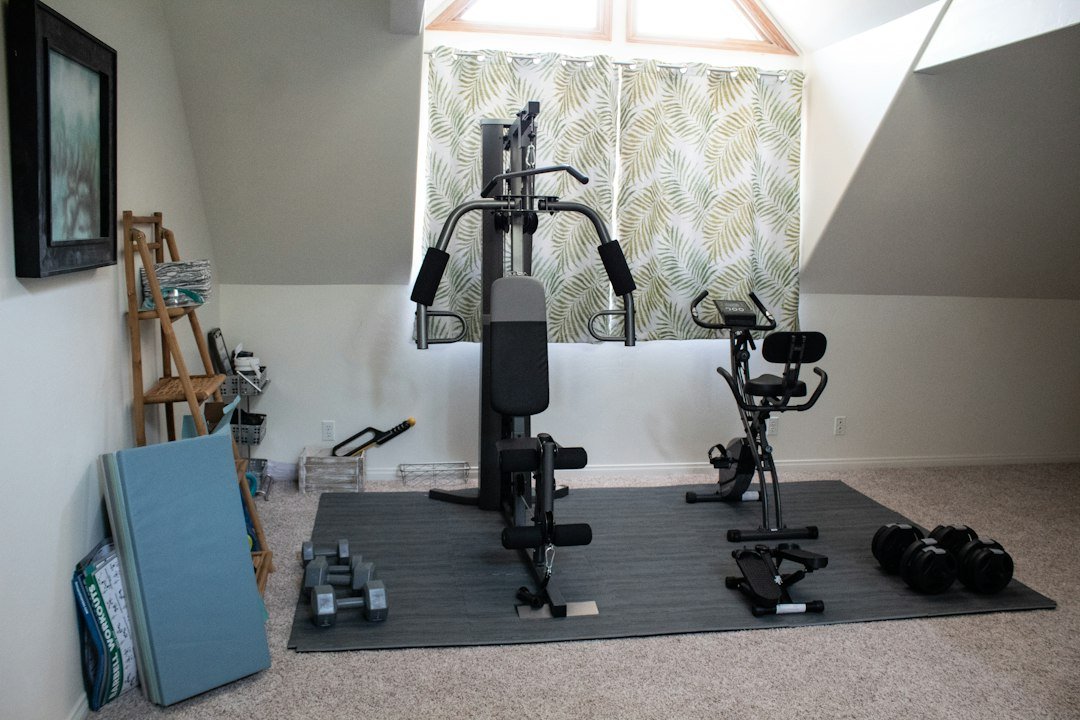
What to Ask Before Nolensville Home Gym Packing
Nolensville home gym packing starts with an equipment inventory and a model-specific moving plan. First, identify every machine, confirm manufacturer transport directions, record dimensions, and map the route from its current position to the moving vehicle and destination. Ask who will perform routine disassembly, how dense components will be identified, whether batteries require special handling, and where loose accessories belong. These answers let packers choose sensible protection and prevent hardware from becoming separated.
Do not guess about a model’s mechanical, electronic, folding, or transport procedure. Consult the exact owner’s manual or manufacturer before changing its configuration. Movers can plan handling, packing, labeling, and placement, but electrical repair and installation need appropriate qualified support.
Build the Home Gym Preparation File
Before packing day, create one decision file containing the inventory, manuals, photographs, measurements, and responsibility notes. Group equipment by manufacturer and model rather than by room alone. A treadmill and adjustable bench may occupy the same corner, yet have completely different transport limits. Record serial numbers only when useful for identification, and keep purchase records private. Flag anything whose manual is missing so the owner can request directions before preparation begins.
The file should answer practical questions: Does the unit fold or separate according to its instructions? Are stabilizers, screens, pedals, cables, or weight stacks removable? Does it contain a rechargeable battery? Which pieces are unusually dense despite looking small? Add current and destination floor locations, doorway widths, turn points, stair measurements, and ceiling constraints. Unanswered items become a pre-move question list, not an invitation for anyone to improvise with unfamiliar equipment onsite.
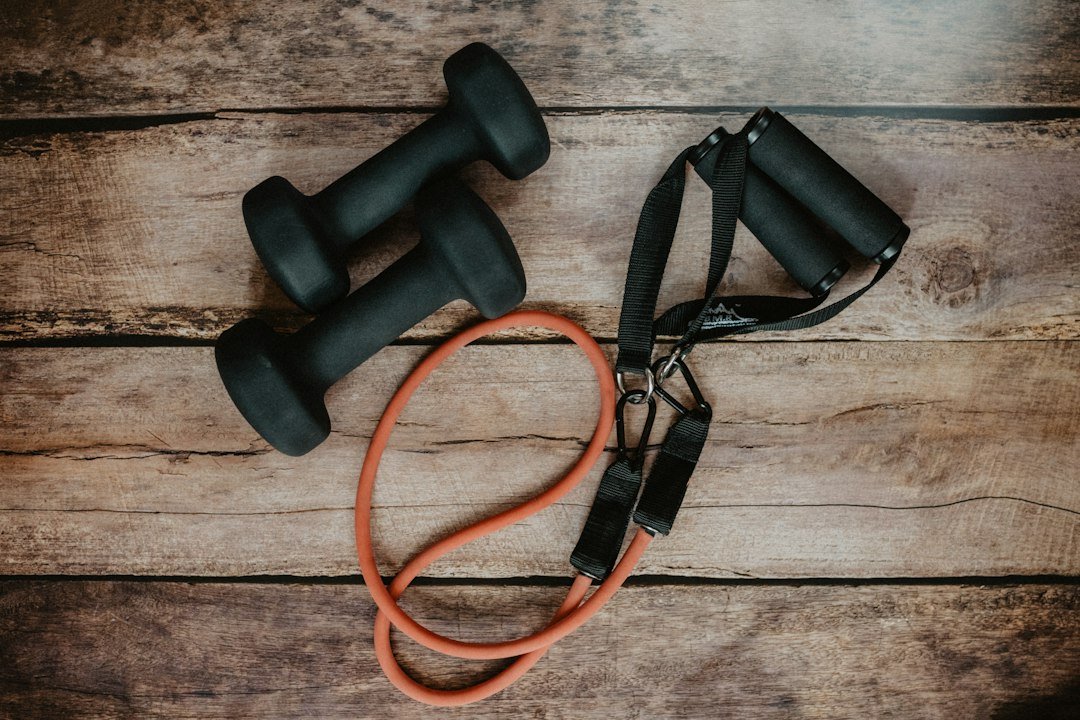
Ten Detailed Preparation Steps for Moving Gym Equipment
1. Create a model-specific equipment inventory
List every primary unit, detachable component, and accessory before touching anything. Include cardio machines, racks, benches, bars, plates, dumbbells, kettlebells, mats, bands, handles, collars, pins, chargers, consoles, and floor protectors. For each entry, note manufacturer, model, quantity, current room, destination room, and whether instructions are available. Photograph the assembled item from several angles without exposing private information. This baseline supports packing choices and later parts reconciliation when similar black hardware or repeated accessories could otherwise become indistinguishable during unpacking at the new home.
2. Read exact manufacturer transport directions
Check the manual for the exact model, revision, and accessories installed. Look specifically for approved transport orientation, folding sequence, locking features, disassembly limits, battery treatment, and lifting cautions. Do not assume a newer machine works like an older one from the same brand. If directions conflict with convenience, follow the manufacturer. When documentation is unclear or unavailable, contact the manufacturer or an appropriate equipment specialist before movers arrive. Mark the item pending rather than authorizing improvised mechanical changes on packing day.
3. Map dense weight components separately
A compact plate, flywheel, weight stack, or dumbbell can demand more handling planning than its size suggests. Record individual markings or known product information without estimating unknown weights. Keep matched pairs and sets identifiable, but avoid creating a container so heavy that safe handling becomes difficult. Ask packers how they want dense pieces presented for assessment. Never conceal weights inside ordinary household cartons. Note components that must remain attached under manufacturer directions, since their weight affects route planning, carrying position, and placement needs.
4. Resolve power and battery questions early
Identify every powered item and its energy source: wall power, removable battery, internal rechargeable battery, or replaceable cells. Locate the exact shutdown and transport guidance in the manual. Owners should complete required account sign-outs, data backups, or app steps when applicable. Do not ask packers to diagnose faults, open electrical housings, repair wiring, or install circuits. Keep the specified charger identified with its unit. If a battery looks swollen, damaged, leaking, or hot, stop handling and seek guidance rather than packing it.
5. Contain loose accessories by equipment family
Small gym pieces disappear when treated as miscellaneous. Assign each equipment family a labeled accessory group: treadmill key and cord; bench pins and attachments; rack hardware and safeties; cable handles and clips. Use inner bags or small cartons as appropriate, then place those within an identified outer container. Avoid taping items directly onto finished surfaces unless the manufacturer expressly permits it. Add an accessory count to the inventory and name the corresponding primary unit so an unfamiliar unpacker can restore each group.
6. Measure frames, routes, and stair clearance
Measure the equipment in the exact transport configuration approved by its manufacturer, not merely its showroom footprint. Capture height, width, depth, and any rigid projection. Then measure doors, hallways, landings, stair width, ceiling changes, railings, tight turns, and the destination approach. A frame that clears a doorway may still fail at a ninety-degree turn or low stair ceiling. Note whether doors can open fully without promising removal. Share measurements before moving day so route issues can be discussed calmly and responsibly beforehand.
7. Assign routine disassembly responsibilities explicitly
Create a responsibility line for every unit: owner, packing crew, moving crew, manufacturer service provider, or other appropriate specialist. Base the assignment on the exact manual, service arrangements, and agreed scope, not assumptions. Clarify who handles routine removable parts, who retains special tools, and who confirms the transport configuration. Equipment requiring calibration, complex mechanical work, electrical work, or restricted servicing should be referred appropriately. Record incomplete tasks visibly so nobody interprets an assembled machine as approved for immediate handling when preparation remains outstanding.
8. Protect surfaces without hiding control points
Clean and dry equipment before wrapping so grit is not trapped against finishes. Use protection suited to the surface, shape, and moving method, while keeping approved handholds, wheels, locks, labels, and orientation marks understandable to the crew. Keep full appropriate protection while documenting approved handling features on outer labels and the equipment record. Separate metal accessories from screens, upholstery, and painted frames. Photograph condition after preparation and note scuffs neutrally. Protection should reduce abrasion while preserving enough information for deliberate handling.
9. Reserve and verify destination floor area
Mark the intended destination for every large unit on a simple floor plan. Use the machine’s assembled operating footprint, required clearances, ceiling needs, outlet considerations, and manufacturer placement directions rather than frame dimensions alone. Confirm flooring decisions before delivery and keep pathways open. If the final gym is unfinished, choose a temporary placement area that can safely receive the equipment without forcing rushed reassembly or repeated moves. Movers need a specific destination, not “somewhere downstairs,” especially after navigating Nolensville stairs and turns.
10. Reconcile parts before declaring the move complete
At delivery, compare each equipment family with the origin inventory before cartons scatter across the house. Match numbered bags, hardware counts, accessories, chargers, keys, pins, collars, and manuals to their primary units. Record unopened containers and any item placed temporarily. If something appears absent, check labeling, loading records, and related cartons before concluding it is lost. Reconciliation is identification, not reassembly authorization: continue following exact manufacturer directions and assigned responsibilities. A signed room-by-room checklist gives the owner one clear exception list.

Map One Machine From Origin to Destination
Consider an adjustable bench with detachable leg attachment moving from an upstairs bonus room to a first-floor gym. This example shows how inventory mapping turns scattered facts into a usable preparation record without inventing procedures.
The same map works for a treadmill, rack, rowing machine, or weight set. Replace assumptions with verified model directions and actual measurements. For more room-labeling ideas, review the guide to matching labels with new floor plans before finalizing destinations.
Ten home gym packing questions Nolensville owners ask before moving
1. Should weight plates stay on a rack?
Do not assume loaded storage is transport-ready. Check the rack manufacturer’s directions and moving plan for the exact configuration. Plates are dense, can shift, and need identification. Ask the crew how separated plates should be grouped, protected, labeled, and presented.
2. Can movers unplug cardio equipment?
Scope should be discussed beforehand, and shutdown must follow the exact manufacturer directions. Owners should handle accounts, data, and any prescribed app steps when applicable. Packers should not troubleshoot power problems, repair electrical components, or install outlets. Identify cords, adapters, and chargers with their machines.
3. What if the owner’s manual is missing?
Search the manufacturer’s official resources or contact the manufacturer with the exact model information. Do this before packing day. Similar-looking equipment may have different locking, folding, battery, or orientation requirements. Until directions are available, flag the unit as unresolved rather than experimenting.
4. How should resistance bands and cable handles be packed?
Sort them by equipment family and record quantities. Place dry accessories in labeled inner groups inside an identified outer carton. Keep clips, handles, straps, and specialty attachments from mixing with unrelated hardware. Follow manufacturer care directions for material storage.
5. Who should disassemble a power rack?
Assign responsibility from manufacturer directions, service needs, mover scope, and owner capability. Routine work should never be presumed. Complex mechanical tasks, anchoring questions, damaged fasteners, or anything outside the agreed scope needs appropriate specialist input. Document the chosen party and completion status.
6. Do stair measurements really need ceiling height?
Yes. Width alone misses sloped ceilings, overhead projections, landings, railings, and the space needed to rotate a frame. Measure the route at constraint points using the manufacturer-approved transport configuration. Share the figures early; do not promise that equipment will fit from appearance.
7. Can accessories share one gym carton?
They can share an outer carton when each equipment family remains separately bagged, counted, and labeled. Avoid a mixture of pins, collars, keys, chargers, clips, and bolts. The inventory should let someone identify every group without recognizing each component by sight alone.
8. What belongs on a destination floor plan?
Show each large unit’s intended room and position, the access route, and any verified operating clearances from manufacturer information. Also identify temporary placement zones if the gym will not be ready. A plan prevents equipment from being parked in the project’s path.
9. How are missing parts handled at delivery?
First compare the equipment family against its inventory, accessory counts, bag identifiers, room labels, and unopened cartons. Check related containers and placement notes before declaring loss. Record any discrepancy precisely, including the primary unit, expected part, last location, and search status.
10. When should professional packing help be scheduled?
Schedule early enough to share the inventory, manuals, route measurements, destination plan, and unresolved questions before work begins. If searching for packers for moving near me, ask how the company coordinates dense equipment, responsibilities, labeling, and parts reconciliation. Scope clarity matters.
Discuss Your Nolensville Home Gym Packing Plan
A successful Nolensville home gym move depends on verified directions, measured routes, visible responsibility assignments, and disciplined reconciliation. Use this packing guide to organize the household, then keep gym records distinct. Nashville Packers and Movers helps households coordinate packing across Middle Tennessee suburbs. Call (615) 710-9990 or contact our team to discuss inventory, access, packing scope, and destination labels before moving day.
Check the Equipment Handoff Before Loading
Use a short readiness checklist so a machine with missing instructions cannot be confused with one that is ready. Equipment accessory labels should connect each carton to the corresponding frame, even when those pieces load separately.
- Exact model and transport instructions confirmed, with a copy available.
- Preparation responsibilities accepted by the appropriate person.
- Machine and accessory counts matched to visible labels.
- Dimensions checked against doors, stairs, turns and destination placement.
- Unresolved battery, electrical, anchoring or structural questions flagged before handling.
- Agreed scope recorded, including anything requiring separate specialist support.
When comparing Middle Tennessee packers, share this checklist with the inventory rather than relying on the phrase “home gym.” A single exercise mat and a multi-station machine require very different preparation conversations.
Product References
Find the exact maker’s manual before transport preparation. For example, Peloton’s official manual resources direct owners to model-specific guidance. For damaged battery concerns, consult EPA lithium-ion battery guidance and the product maker; do not pack a damaged battery as an ordinary accessory.

