

A room can be unavailable when the moving shipment arrives even though the rest of the property is ready. Perhaps cleaning is unfinished, a contractor has not released the space, or the household is still deciding where a large piece belongs. Kingston Springs packing with a receiving-zone plan gives those belongings a clear temporary destination without turning the entrance into an unmarked storage pile.
This guide explains how to plan temporary receiving zones, label cartons for a later room placement and keep the delivery inventory organized. Nashville Packers and Movers can discuss the physical moving requirements at (615) 710-9990. Confirm the actual scope, price, access and availability directly. A proposed holding area does not create an included second move or guarantee that a room will be ready on time.
Confirm that the property can receive the shipment
Begin with permission and access. A temporary receiving zone is useful only when the property is authorized and suitable for the delivery. Do not treat an expected possession date as permission to enter. Confirm who can provide access and who has authority to receive the belongings before the vehicle arrives.
If the whole property is unavailable, a spare-room layout does not solve the problem. Contact the moving company and discuss the options that actually exist. Any different destination, storage arrangement, additional trip or changed delivery date needs agreement. This article does not promise storage space or establish a price for a changed plan.
When only some rooms are delayed, name them clearly. “Back bedroom unavailable until the contractor confirms readiness” is more useful than “some work is still happening.” The receiving coordinator should know which rooms are open, which are restricted and who can change that status.
Map temporary zones separately from final rooms
Use one label for the final destination and a second label for the temporary zone. A carton might be marked “Final: Study / Hold: Zone B.” This preserves the final placement instruction even while the study is unavailable. If the carton says only “Zone B,” someone later has to reconstruct where it belongs.
Choose zone names that are easy to distinguish when spoken aloud. Avoid using the same letter for several unrelated locations or calling every spare space “storage.” Put the zone labels on a simple property plan and share the relevant version with the moving coordinator and receiving household member.
Keep the map current. If a zone becomes unavailable, revise the plan before more cartons are directed there. One person should control the current version so different helpers do not send the same room’s belongings to several temporary locations.
| Label field | Example | Purpose |
|---|---|---|
| Final room | Study | Preserves the eventual destination |
| Temporary zone | Zone B | Directs the current delivery |
| Carton code | Study-07 | Links the carton to the inventory |
| Access priority | Needed before room release | Identifies cartons that must remain reachable |
Measure the zone and the route before relying on it
Check the available floor space, door openings and turns along the route. A room can appear large enough while its entrance prevents a particular item from reaching it. Tell the moving company about large furniture, narrow doorways and any new restrictions caused by the work delaying the final room.
Leave usable access around the temporary arrangement. Do not plan to retrieve daily essentials by climbing over cartons or repeatedly shifting heavy furniture. Identify which items must remain accessible and discuss placement that supports those needs. If the plan depends on an item fitting into an uncertain corner, measure it and ask before delivery.
A garage, porch or unfinished room is not automatically a suitable receiving zone. Consider permission, weather exposure, security and the belongings involved. Ask the responsible property contact about restrictions. Do not place furniture in an active work area merely because it is covered.
Keep entrances and shared routes clear
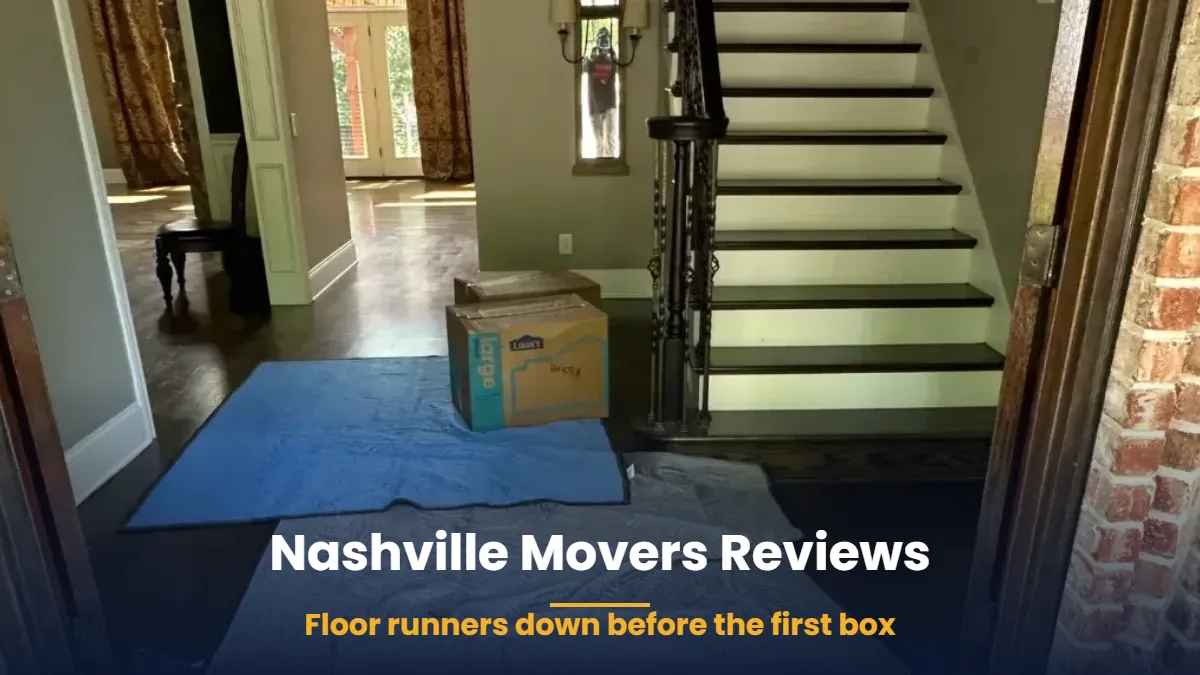
Receiving zones should support the move rather than obstruct the route everyone needs. Identify doors, hallways and stair access that must stay clear. Avoid using a narrow entrance as the default holding location simply because it is the first space the crew reaches.
Explain any building rules to the moving coordinator. Shared hallways and lobbies can have restrictions that do not apply to a private room. Obtain the required permission before treating a common area as a staging location. The household’s preference does not override the property’s access requirements.
For general household preparedness, review Ready.gov’s supplies checklist. Keep the essentials relevant to your household accessible while rooms are delayed. This resource is background preparation guidance, not approval for a particular moving or storage arrangement.
Separate first-access cartons from the delayed-room group
Some belongings assigned to a delayed room may still be needed immediately. Identify them before packing. A study carton could contain a charger needed for work, while bedroom cartons might contain clothing needed before the room is ready. Keep those items in a clearly identified accessible group.
Use a restrained priority system. If every carton is marked “open first,” the label stops helping. Agree on a small group that must be reachable and record its carton codes. Personal essentials, important documents and items under direct household custody should follow their own appropriate arrangements.
Our room-by-room packing timeline helps separate low-use belongings from items needed until departure. Add the receiving-zone labels before the cartons leave the origin so the delivery team does not need to invent a sorting system on arrival.
Keep furniture and its components traceable
Record the temporary location of larger furniture separately from the cartons. A piece waiting in one zone may have shelves, feet or hardware packed elsewhere. Use the same item identifier for those components and note their carton location. Avoid relying on memory after several rooms have been combined into one holding area.
Confirm what disassembly and reassembly are included in the moving scope. Some pieces may require manufacturer guidance or specialist help. A temporary receiving arrangement should not create an assumption that the crew will return later to assemble furniture without a separate agreement.
If the final room layout is still undecided, identify who will make the placement decision and when. A piece that has no confirmed final location should be listed as unresolved. That is more useful than marking it complete merely because it is inside the building.
Record receipt without losing the final placement task

At delivery, distinguish “received in Zone B” from “placed in the study.” Both are useful statuses, but they describe different stages. A two-stage inventory makes it easier to see which cartons have arrived and which belongings still need a later placement decision.
Review visible condition and report concerns through the process in the actual service agreement. Keep relevant records and packing materials until the necessary checks are complete. The inventory should describe what was observed rather than assigning blame or promising a particular claims outcome.
After each group is received, update the zone record. If a carton is moved by the household before the final room opens, record its new location. Otherwise the moving inventory may be accurate at delivery but useless when someone tries to locate an item several days later.
Release a delayed room through one decision-maker
Identify who can confirm that the room and its access route are ready. If construction or newly finished surfaces are involved, follow the relevant contractor or manufacturer guidance. Do not use a universal waiting period copied from another project. A room can look complete while still having restrictions.
Before moving items from the temporary zone, confirm the final layout and discuss any required help. If you want a moving crew to perform the later placement, request and confirm that separate scope. A room becoming ready does not automatically book a return visit.
For a project involving several furniture rotations, see our renovation furniture rotation plan. Keep its item identifiers consistent with the receiving-zone record to avoid creating competing inventories.
A hypothetical delayed-study delivery
Imagine a Kingston Springs household whose study is unavailable while the rest of the home is ready. The household confirms access to the property and designates an approved spare-room zone for the study’s cartons. Each carton retains its final-room label and receives a temporary-zone label. A small first-access group stays reachable.
At delivery, the receiving coordinator checks the study cartons into the temporary zone. The desk components are recorded under one furniture identifier. When the responsible contractor releases the study, the homeowner confirms its layout and arranges the remaining placement work under the appropriate agreement.
This is a planning illustration, not a description of a completed customer move. It shows how a temporary location can preserve the final-room plan without implying a guaranteed schedule or an included second visit.
Ten receiving-zone questions
1. Can we use any empty room as a holding area?
Only after confirming permission, capacity, access and suitability for the belongings. An empty-looking room may still be needed for ongoing work or daily household use.
2. What if we do not yet have possession of the property?
Confirm authorized access before delivery. If the property cannot receive the shipment, discuss actual alternatives with the moving company instead of assuming entry is available.
3. Should cartons have two destination labels?
A final-room label plus a temporary-zone label can preserve both instructions. Keep them visually distinct and use the same names on the receiving plan.
4. Can the hallway become a temporary zone?
Do not obstruct access or use shared areas without permission. Choose an approved location that allows people and belongings to move safely through the property.
5. What should remain accessible?
Identify the household’s first-use cartons and personal essentials before packing. Avoid placing them behind furniture that would need another move to reach them.
6. How do we track furniture parts?
Give the furniture and its components a common identifier. Record the carton containing the parts and its current zone so the items can be reunited later.
7. Does the original move include later room placement?
Check the written scope. Additional handling or a return visit needs a confirmed arrangement rather than an assumption that it is included.
8. Who decides when the room is ready?
The authorized homeowner or responsible property professional should communicate readiness. Follow applicable contractor or manufacturer instructions where work or finishes are involved.
9. Should received cartons be marked complete?
Record receipt and final placement separately. A carton can be delivered correctly to a temporary zone while still awaiting its final room.
10. How do we discuss a Kingston Springs move?
Call Nashville Packers and Movers at (615) 710-9990 or use our contact page. Share the inventory, access details, delayed rooms and proposed receiving zones.
Keep a simple zone-change log
Use a short change log when belongings leave a temporary zone. Record the carton or furniture code, the original zone, the new room and the person who moved it. This avoids treating an empty space as evidence that an item has reached its final destination. The record is especially helpful when household members unpack at different times.
Review the remaining-zone list before requesting additional moving help. You may find that ordinary cartons have already been placed while a few large pieces still need an agreed handling plan. Give the moving company the current list rather than the original delivery inventory, and explain any new access restrictions. That keeps the requested work specific and avoids a return visit based on outdated assumptions.
Receiving-zone checklist before delivery
- Confirm authorized property access.
- Identify unavailable rooms and their decision-maker.
- Measure approved zones and access routes.
- Keep final-room and temporary-zone labels distinct.
- Separate the first-access cartons.
- Record furniture components and receipt status.
- Confirm any later placement work before it begins.
