

Renovation moving in Nashville works best when furniture follows the construction plan, rather than repeatedly getting pushed into the next available room. Before a flooring replacement, kitchen remodel, or whole-home refresh, decide what must leave the work area, where it can safely wait, and what needs to happen before it returns. A written furniture rotation plan gives the homeowner, contractor, and moving crew the same instructions.
This guide from Nashville Packers and Movers explains how to plan those decisions. It covers temporary room clearance, packing, storage coordination, and return placement. It does not replace your contractor’s instructions about construction hazards, floor finishes, ventilation, or when a room is ready for use. Those decisions belong to the qualified person responsible for the work.
Start with the renovation sequence, not the furniture pile
Ask the contractor which rooms will be worked on together and which routes must remain open. A room that is untouched this week may still be needed for material delivery, tool access, or the next phase. Treating that room as free storage can create a second move and delay the job. Mark work zones, temporary holding zones, and everyday living zones on a simple floor plan before packing begins.
List the expected order of work separately from confirmed moving appointments. A construction estimate is not automatically a guaranteed return-delivery date. Identify the event that will trigger each furniture move: the contractor releasing a room, the homeowner approving a staging area, or a storage provider confirming access. Then name the person who will communicate that event to everyone else.
For a Nashville household remodeling while still living at home, the first priority is a usable living arrangement. Keep an agreed path to entrances, essential household equipment, and the rooms you will occupy. Do not let a temporary pile prevent access or turn a doorway into a narrow obstacle course. If a plan depends on squeezing everything into an uncertain space, measure it before committing.
Choose between an in-home rotation and an off-site move
An in-home rotation can suit a limited project when a genuinely separate, approved room has enough capacity. It becomes less practical when several rooms are under construction at once, the holding room will soon become a work zone, or the furniture would have to be handled repeatedly. The decision should consider the whole project, not just the first moving day.
An off-site arrangement adds another pickup or delivery stage and may involve a separate storage provider. Before choosing it, confirm the provider’s access arrangements, accepted items, storage conditions, and written charges. Ask who is responsible for receiving the shipment and who can authorize its release. Do not assume the mover owns a warehouse or that storage is included in a moving estimate.
A third option is a mixed plan: retain everyday furniture in an approved living zone while moving bulky pieces off site. This can reduce disruption, but only if every item has a clear destination. Use specific labels such as “stay upstairs,” “temporary room A,” and “off-site lot B.” Vague labels such as “later” or “spare” are difficult for a crew to act on.
Measure the holding area and the route into it

Record furniture dimensions, doorway openings, hallway turns, and the space needed to maneuver. Include the position of doors when open and any fixed features that limit access. A sofa may fit inside a room yet be unable to make the turn into that room. Share clear route photographs with the moving company rather than relying on a single wide photograph of the space.
Leave handling space around the stored furniture. Do not plan a layout that requires climbing over boxes to retrieve an everyday item or moving the heaviest piece every time someone needs a carton. Keep frequently needed items near the accessible edge of the holding zone. Ask the mover to review unusual or heavy pieces separately, especially if the plan introduces stairs or tighter turns.
Furniture should not be placed in a construction work area simply because it has been covered. Protective wrapping is not a substitute for separating belongings from active work. Discuss the approved location with the contractor. If no suitable area exists, revise the plan instead of improvising a risky holding position on moving day.
Build an inventory that works in both directions
A renovation move has two different maps: where an item starts and where it should return. Give each major piece a simple identifier, photograph its visible condition, and record both locations. For example, “LR-04, bookcase, living room east wall, return to study” is more useful than “bookcase.” A changed floor plan can make the original room label misleading.
Record detachable parts alongside the item identifier. Keep the location of shelves, feet, brackets, and hardware documented so the return crew can find them. Agree in advance which items the moving crew will disassemble and reassemble. Some furniture may require specialist attention or manufacturer guidance; do not assume every item can be safely taken apart.
Take an inventory at each handoff rather than waiting until everything returns. If part of the shipment goes to a storage provider, keep that list separate from belongings left at home. Mark an item as received only after it has actually arrived in the agreed location. This makes it easier to identify a missing component without searching the entire household.
Pack for a temporary household, not just a destination
A conventional room-by-room packing list is a useful start, but renovation packing also needs an access plan. Separate possessions into three groups: needed every day, potentially needed during the project, and not needed until the work is complete. The middle group is often overlooked. It might include office equipment, seasonal clothing, or serving pieces needed before the scheduled return.
Build an accessible essentials kit around your own routine. Include the clothing, chargers, household paperwork, and basic kitchen items you expect to use. Keep personal documents and items you choose to transport yourself out of the moving pile. Do not label cartons with unnecessary private information, door codes, or sensitive contents that someone else could read.
For items assigned to professional packing, describe fragility and access needs before the crew arrives. Ask how furniture protection and carton labeling will be handled for the proposed holding arrangement. You can use our room-by-room packing timeline to organize the packing sequence, then adapt it to the contractor’s actual work order.
Give the homeowner, contractor, and mover separate responsibilities
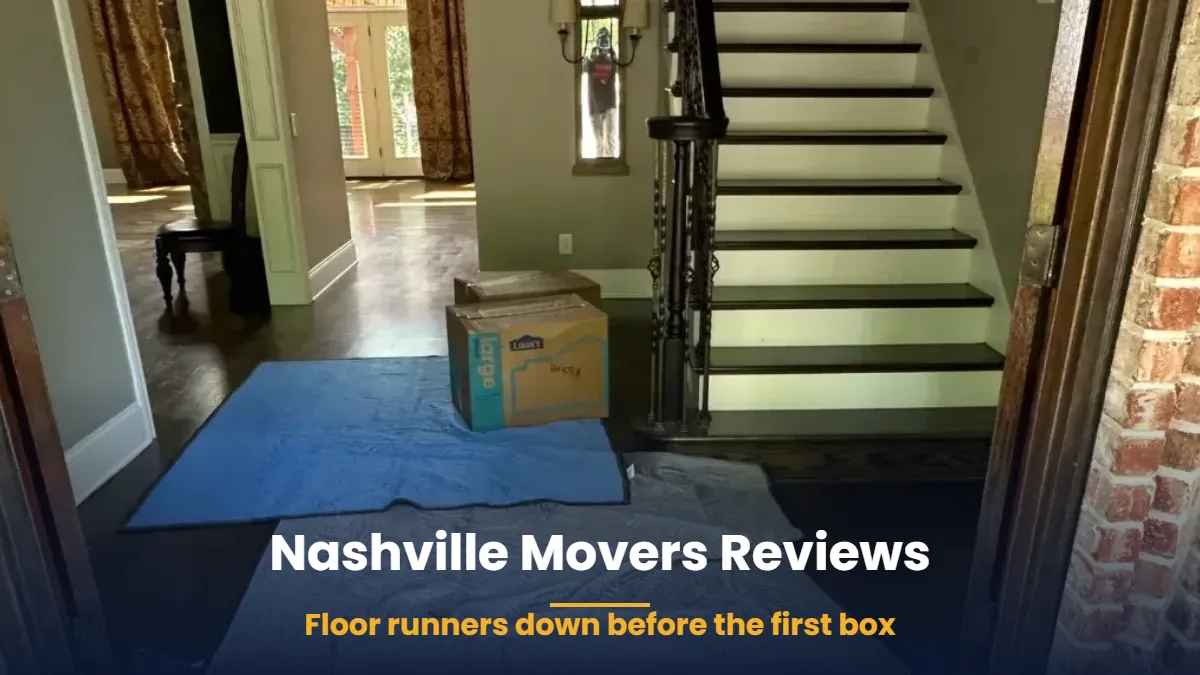
The homeowner decides which belongings move and approves changes to the scope. The contractor identifies construction restrictions and confirms when areas are ready. The mover evaluates the physical moving scope and carries out the agreed handling and placement. A storage provider, if used, controls its own receiving and release process. One party should not silently make commitments on behalf of another.
Put those responsibilities in a short shared plan. Name a primary contact and an alternate, but avoid distributing security codes broadly. Specify who can approve additional handling, a changed destination, or a later delivery. When a question affects price or timing, request the revised arrangement in writing before that changed work begins.
At the beginning of the moving visit, walk the agreed route together. Point out belongings that must stay, rooms that must not be entered, and the final staging locations. If the site differs from the photographs or the contractor has changed the sequence, stop to update the plan. A clear five-minute discussion is more useful than an assumption that produces another full furniture rotation.
Use a return-delivery readiness checklist
Before requesting the return trip, ask the contractor whether the room and access route are ready for the proposed furniture placement. Follow the applicable manufacturer or contractor guidance for newly finished surfaces; do not use a universal waiting period copied from another project. A room can look complete while still needing restrictions on traffic or heavy objects.
Confirm that the route is clear, the furniture layout is approved, and someone with decision-making authority will be present. Check measurements again if cabinetry, doorways, or built-in features have changed. If the new layout eliminates space for a piece, decide its destination before it is loaded for return. This avoids paying for handling that does not solve the placement problem.
On return, use the item identifiers to check delivery and placement. Review visible condition and note any concern while the relevant item and records are available. Follow the procedures in your actual service agreement for reporting issues. Keep the records and photographs together rather than relying on a verbal recollection of which piece was moved during which phase.
A hypothetical two-room renovation sequence
Imagine a household renovating a dining room and an adjacent living room in separate phases. The homeowner initially plans to put dining furniture in the living room. The contractor then explains that the living room is also the route for bringing materials to the dining area. That changes the decision: a different holding room or off-site arrangement needs review before the first crew arrives.
In a revised plan, the dining furniture receives item numbers and an approved temporary destination. The living room stays usable until the contractor releases the first completed space. Before the second phase, the homeowner confirms whether the dining room can accept its furniture and whether the living-room pieces need temporary storage. Each move is authorized separately against the current site conditions.
This is a planning example, not a completed customer job or a promise about a particular project’s duration. Its lesson is that furniture movement should be tied to actual readiness. The best sequence may change as construction progresses, but the inventory and approval process should remain consistent.
Request an estimate with the complete rotation scope
Tell Nashville Packers and Movers the property type, locations, proposed dates, room sequence, and approximate inventory. Include stairs, elevators, parking access, and photographs of the route and larger pieces. Explain whether the request involves one clearance visit, several phased moves, an outside storage address, or a return delivery after construction.
Ask the written estimate to identify included packing, furniture handling, disassembly, reassembly, and each expected visit. Clarify how changes will be approved if the contractor’s schedule moves. For an off-site plan, review our moving and storage planning guide alongside the actual storage provider’s terms. A complete scope is more useful than choosing a number that ignores half of the work.
Renovation moving Nashville: frequently asked questions
Can furniture stay in the house during a remodel?
Sometimes, if the contractor approves a separate area and the mover confirms the route and capacity. Do not assume a covered item can remain safely inside an active work zone.
Should I book the return move before construction starts?
Discuss the expected sequence early, but distinguish a tentative target from a confirmed appointment. Agree how contractor delays and final room readiness will be communicated.
Will the movers decide when new flooring is ready?
No. Obtain that instruction from the contractor or relevant manufacturer. Give the mover the restrictions that apply to the planned handling and placement.
Is off-site storage always necessary?
No. A limited renovation may work with an approved in-home rotation. Compare available space, access needs, repeated handling, and the entire project sequence before deciding.
How should boxes be labeled?
Use an item or carton identifier, temporary destination, and return destination. Add a useful handling note when appropriate without putting personal information or access codes on the carton.
Can the crew move furniture more than once?
Describe every proposed stage when requesting the estimate. Multiple visits and changes in handling need an agreed scope and schedule rather than an assumption that they are included.
What happens if the contractor changes the dates?
Tell the moving company promptly, explain the revised readiness date, and request written confirmation of any scheduling or scope changes. Do not assume a new date is automatically available.
Who should keep the inventory?
The homeowner should retain the master record and share the relevant item lists with each provider. Keep receiving and return checks attached to the same identifiers.
What should stay accessible during the work?
Plan around your household’s daily routine and the project duration. Keep the agreed essentials, personal documents, and items you will transport yourself separate from the clearance inventory.
How do I start a renovation furniture moving plan?
Contact Nashville Packers and Movers at (615) 710-9990 with the room sequence, access photographs, inventory, and proposed holding locations. Request a written plan for the initial move and the return.
Renovation moving coordination checklist
- Confirm the contractor’s work sequence before clearing rooms.
- Assign each furniture item a holding location and return destination.
- Keep shared access routes clear and approved.
- Record any change in moving scope before authorizing it.
- Confirm room readiness with the contractor before returning furniture.
For general preparation resources, visit Ready.gov’s household supplies checklist. Select the essentials relevant to your household while rooms are unavailable; a renovation moving plan does not replace emergency planning.
Furniture rotation handoff record
| Stage | Decision owner | Record before moving |
|---|---|---|
| Clear the room | Homeowner and contractor | Released room, approved route, item numbers |
| Temporary placement | Homeowner and receiving provider | Holding location, access rules, received inventory |
| Return furniture | Contractor and homeowner | Room readiness, placement map, confirmed moving scope |
Use the contact page to discuss the proposed sequence and send the relevant access details through an agreed channel.