
Movers Lewisburg TN

Movers Lewisburg TN households compare should work from the actual inventory, access conditions and requested services. Nashville Packers and Movers helps customers plan moves with clear scope, careful handling, and written expectations before moving day. This page is designed for people comparing options in Middle Tennessee and looking for practical information before they request a quote.
Call (615) 710-9990 for current availability and a written quote.
What to Compare Before Booking Movers Lewisburg TN
Start with the details that actually change a move: inventory, addresses, stairs, elevators, parking, long carries, specialty items, packing needs, storage stops, schedule restrictions, and delivery expectations. Ask what is included in writing and what could change the final total. A strong moving plan is more useful than a low headline number that leaves important work undefined.
For local moves, confirm the crew size, truck, equipment, travel terms, protection materials, and whether disassembly or reassembly is included. For longer routes, confirm the accepted route, responsible carrier, pickup and delivery windows, and current authority where required. Never rely on assumptions when the written scope can answer the question directly.
10 Smart Tips for Movers Lewisburg TN
- Build a room-by-room inventory before requesting quotes.
- Photograph fragile, valuable, oversized, and specialty items.
- Confirm stairs, elevators, loading docks, gates, parking, and long carries.
- Ask for the service scope and pricing method in writing.
- Label boxes by room and priority so unloading is faster.
- Keep medication, documents, keys, chargers, and valuables with you.
- Reserve elevators and loading areas as early as possible.
- Measure oversized furniture and difficult doorways before move day.
- Report changes to inventory, access, dates, or addresses before the crew arrives.
- Do a final walkthrough of closets, cabinets, garages, patios, and storage areas.
Local Moving Details That Matter
Moves in Middle Tennessee can involve apartment access, gated communities, narrow streets, high-rise rules, HOA timing, school-zone traffic, and limited loading areas. Share those details early. When access is clear, the crew can plan equipment, protection, parking, and labor more accurately.
Customers should also compare communication. Ask who the move-day contact is, how schedule changes are handled, and when the written scope becomes final. Good communication reduces surprises and helps both the customer and the crew stay organized.
Build a Lewisburg moving inventory around daily life
Movers Lewisburg TN households contact can plan more usefully when the inventory describes how the home is used. A bedroom may also contain a work desk, a craft collection or boxes from an earlier move. List those groups separately rather than assuming that the room name explains the handling and packing work.
Start with furniture and larger equipment, then review cupboards, closets and secondary storage. Record which belongings will move, which stay with the owner and which are awaiting a decision. If something belongs to a roommate, employer or other person, settle the permission question before it joins the moving list.
The City of Lewisburg website provides official municipal information and department contacts for residents. Use the appropriate official channel for a city-service question, while confirming private property instructions with the owner or manager. This moving guide does not set local rules, utility procedures or property-access requirements.
Match furniture to the destination rooms
A destination floor plan can prevent an otherwise organized load from becoming difficult to receive. Note the rooms available on delivery day, the intended location of large furniture and any space reserved for immediate household use. Measure the furniture and relevant clearances rather than relying only on how the old room looked.
A piece that fits a floor plan may still require an access review at a doorway, stair or turn. Share the actual route and any uncertainty with the moving company. Do not force a removal method or perform unfamiliar disassembly because a schedule is approaching. Flag installed items, fragile surfaces and loose components for a specific preparation discussion.
| Group | Intended room | Preparation question | Receiving check |
|---|---|---|---|
| Bedroom furniture | Named bedroom | Accepted preparation and parts storage | Locate the matching components |
| Kitchen cartons | Kitchen or approved holding zone | Keep first-use items separate | Check carton numbers |
| Desk equipment | Study | Owner preparation and cable kit | Match device and accessory codes |
| Stored collections | Confirmed storage space | Review packaging and visible condition | Reconcile sets before dispersal |
The register is an example of useful questions, not a promise that every task or item is accepted. Use descriptions that match the actual household and record the decision-maker for any unresolved entry.
Coordinate additional stops and separate destinations
A move may involve a residence, a storage location or another approved stop. Identify all locations before requesting the final scope. Explain which goods belong at each address and who will provide access. An extra stop mentioned after loading can change the work, route and timing, so ask for the revised arrangements in writing.
Use separate destination codes rather than relying on carton color alone. Keep a master list that connects each code to its address and room. Do not put unnecessary personal information on outward-facing labels. The two-destination packing guide provides a practical way to maintain that separation through pickup and receiving.
When a storage facility is involved, confirm its current access process and the authorized removal or delivery list. Keep account credentials private. If the receiving location cannot accept the goods as planned, pause for an agreed decision rather than assuming the driver or packing team can choose another destination.
Prepare a workable packing sequence
Begin with low-use belongings whose destination is settled. Leave an identified group of daily essentials available until departure. Pack one category or storage area at a time so loose pieces, lids and accessory containers remain connected to the inventory. Label the carton as it closes rather than planning to identify a group of similar boxes later.
Ask which materials the company will supply and which tasks you will complete before arrival. Owner-packed cartons should be disclosed as such. If you are unsure about a material or a specialty item, ask before sealing it inside an otherwise ordinary carton. Original packaging can be useful, but its presence does not prove the contents are prepared or accepted.
Review the whole-home inventory guide to check overlooked areas. A completed bedroom does not mean the coat cupboard, laundry shelf, patio cabinet or household records are already accounted for.
Keep a communication record that helpers can follow
Name a primary household contact and a receiving contact if different people will be at the two properties. Record which decisions each person can make. If a family member is helping remotely, give them the current inventory and the specific question to resolve rather than several conflicting lists.
A short change log is useful when dates, room assignments or possessions change. Include the item or carton code, the old instruction, the agreed new instruction and the person who approved it. Share the current version with the relevant participants. Do not circulate private financial papers or access credentials merely because they happen to sit in the same folder.
For interstate household moves, the Federal Motor Carrier Safety Administration’s consumer resources explain the moving documents and preparation questions to review. Keep this federal guidance distinct from assumptions about an individual local move, and ask about the requirements and agreements that actually apply to your route.
Plan a first-day household kit
Think about what the household needs before the main cartons are opened. Identify basic clothing, toiletries, chargers, personal documents, necessary keys and immediate kitchen items. Keep medication and essential personal supplies under the responsible person’s control with the storage and access arrangements they require.
Choose a clearly identified location for this kit that is outside the regular load. Check it at departure and arrival. A brightly colored bag is helpful only if everyone knows it is owner-carried; an explicit note and a named person are more reliable than expecting helpers to recognize its importance.
Close the move with a deliberate receiving check
At delivery, direct cartons to their labeled rooms or approved temporary locations. Keep doors and walking routes accessible rather than opening every package immediately. Locate essential furniture and the first-day kit, then reconcile the remaining carton codes and loose-item entries with the inventory.
Document unresolved items or visible-condition questions through the company’s agreed process. Keep the original records intact, along with useful photographs and correspondence. A delivery check should show what was actually received and what remains open. It should not rely on a total count alone or an assumption that an unopened carton contains a particular missing accessory.
Questions to Ask Before You Choose
- What exactly is included in the written quote?
- How is additional inventory handled?
- Are packing materials included or separate?
- Is furniture disassembly and reassembly included?
- How are specialty items priced and protected?
- What happens if access or the schedule changes?
- Who should I contact on moving day?

Frequently Asked Questions
How early should I book?
Book as soon as your date is firm. Weekends, month-end dates, summer periods, and short-notice moves can fill first.
Can I get packing help?
Yes. Ask for full, partial, fragile-item, kitchen, office, or unpacking help when available and include it in the written scope.
How do I get a more accurate quote?
Provide complete inventory, both addresses, access details, dates, specialty items, packing needs, and any stops or storage requirements.
What should I keep with me?
Keep identification, medication, valuables, documents, keys, chargers, and essential items with you rather than on the moving truck.
Where can I learn about other services?
Visit Nashville Packers and Movers for related moving services, service areas, booking information, and additional planning resources.
What if my new home has fewer storage areas?
Review the retained inventory against the actual destination before packing. Assign a confirmed room or approved holding area to each group. Keep donation and undecided belongings separate so they are not moved merely because there was no time to choose.
Can one person coordinate while another receives the delivery?
Yes, with a clear agreed plan. Identify both contacts, their responsibilities and the current room map. Make sure the receiving person can access the property and knows which decisions require the owner’s direction.
How do I label cartons going into storage?
Use a distinct destination code, a unique carton number and a concise contents category. Keep a separate detailed inventory and confirm the facility’s access arrangements. Do not use the same unexplained room label for both home and storage goods.
What should I do with work-issued equipment?
Ask the employer or authorized equipment owner about permission, preparation and destination. Keep their instructions with the asset record. Packing help does not automatically authorize technical work, data access or the movement of someone else’s equipment.
How do I report a change before moving day?
Contact the company with the exact changed item, address, date or access condition. Request clarification of the effect on scope and terms. Update the working list so the household, crew and receiving contact use the same instructions.
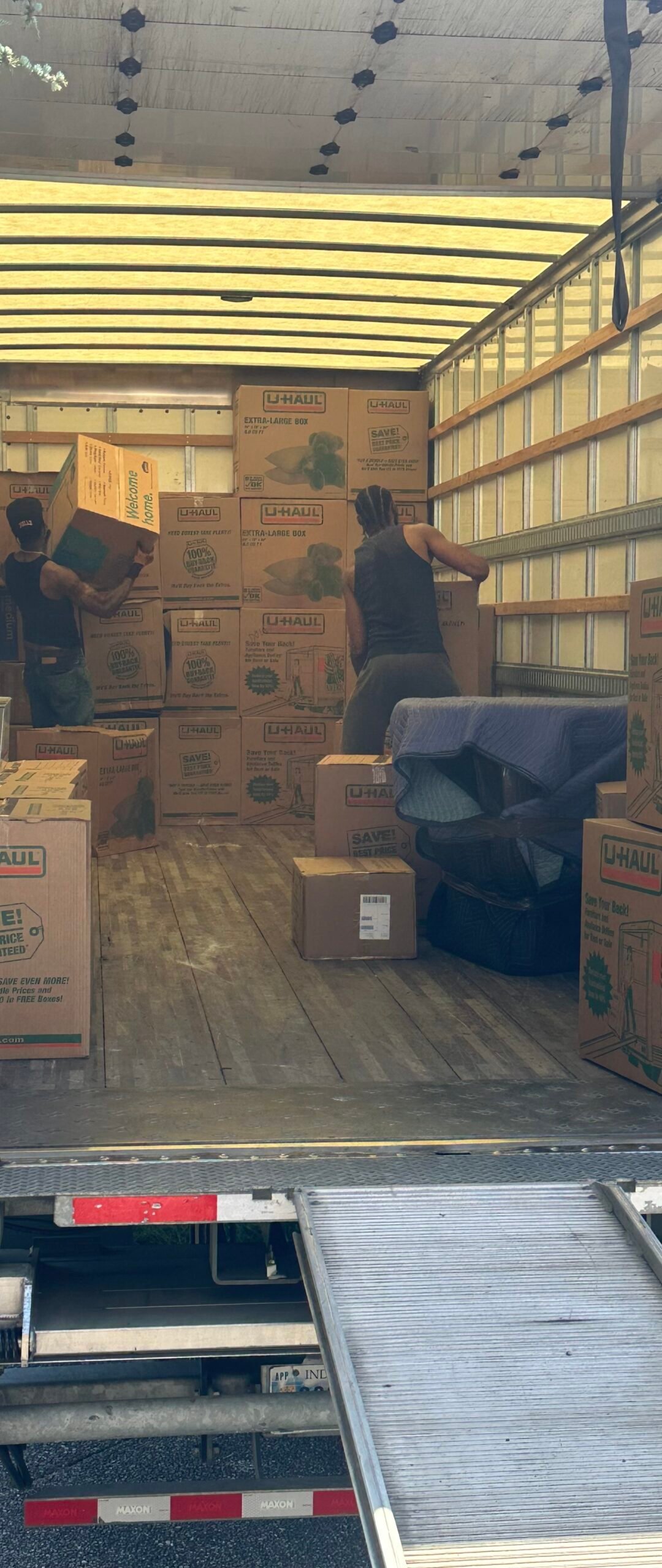
Get a Written Moving Plan
Nashville Packers and Movers serves customers who want a clear plan before moving day. Share your inventory, addresses, access, timing, and requested services so the scope can be reviewed before the crew arrives.
Call (615) 710-9990 for current availability and a written quote.