

A Clear Plan for Music Gear in Mount Juliet
Mount Juliet packing for music accessories and cases starts with one practical rule: every loose item should be identified, matched to its instrument or equipment, and placed in a clearly labeled container before moving day. Cases should be checked for fit, closures, and empty pockets, while cables, stands, adapters, picks, and reeds need an inventory that can be checked again at arrival. Valuable pieces should remain in owner custody when appropriate, and powered devices require maker guidance plus mover acceptance before packing.
Nashville Packers and Movers helps households organize these details through careful packing preparation Mount Juliet residents can understand and approve. The goal is not to prescribe instrument mechanics or make universal handling claims. It is to create traceable groups, sensible case assignments, and useful labels so setup is less confusing after the move. Call (615) 710-9990 to discuss your collection and confirm which items the crew can pack.
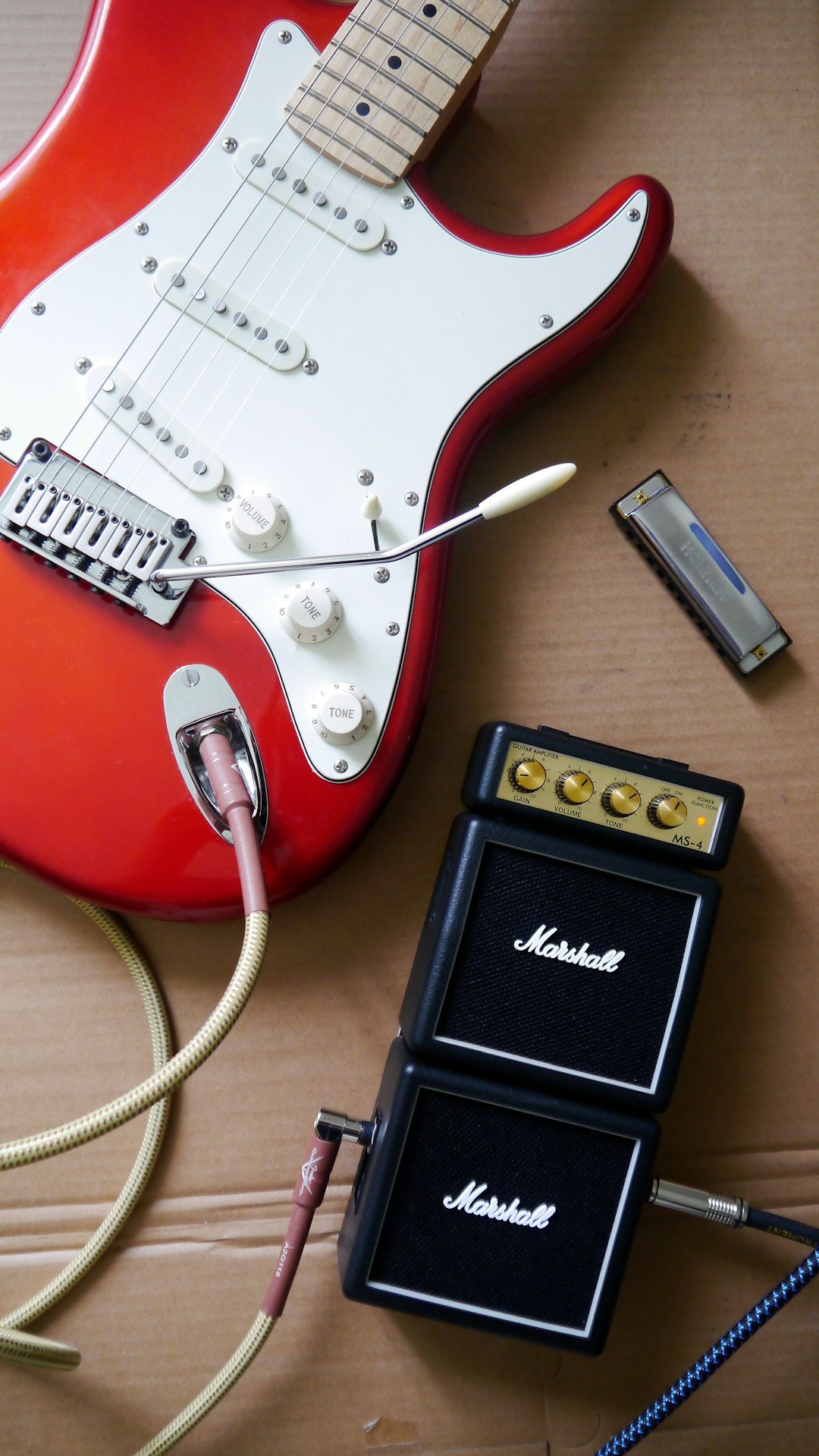
Illustrative music setup; the photograph is not a transport arrangement or a documented customer move.
What This Packing Service Can Cover
Our packing and moving services can be planned around four distinct needs. Scope should always be confirmed before the appointment so responsibilities stay clear.
Inventory and Grouping
Accessories are listed beside the instrument or equipment they support. The list becomes the reference for packing, labeling, owner custody, and arrival review.
Case Review
Existing fitted cases are checked for obvious fit and working closures. Unrelated pocket contents are removed, identified, and assigned before the case is closed.
Accessory Packing
Small pieces are separated into named inner containers, while detachable stand parts and cables are grouped deliberately. Outer cartons receive destination and contents labels.
Move-Day Coordination
Battery status, powered devices, valuables, and owner-carried items are discussed in advance. The crew confirms accepted materials and avoids last-minute assumptions.
Ten Tips for Packing Music Accessories and Cases
Tip 1: Build an Accessory to Instrument Inventory
Start with the instrument name, then record its case, strap, stand, power supply, pedals, cables, cleaning items, and other supporting pieces. Use plain descriptions that another person can recognize. A musical accessories moving checklist can include columns for packed, owner-carried, and received. If one accessory supports several devices, list its planned carton instead of duplicating it across entries.
Tip 2: Confirm That Each Case Is Actually Fitted
Before using a familiar case, consult its maker guidance, identify the intended contents, and describe any fit concern to the packing team. Test latches, zippers, handles, and straps for ordinary operation without forcing them. Empty sheet music, coins, tools, or unrelated objects from pockets. If the case seems mismatched or damaged, identify it for the packing team rather than improvising a repair.
Tip 3: Bag Detachable Stand Parts Together
Microphone stands, keyboard stands, music stands, and similar supports may have detachable knobs, collars, feet, trays, or clamps. Put the parts for each stand in its own named bag or small container, then keep that container with the stand. Mark stands that must remain assembled. Never mix loose hardware from several stands merely because the pieces look alike.
Tip 4: Assign Every Cable to Equipment
Coil cables neatly without creating sharp bends, and attach a removable label naming the related amplifier, interface, microphone, speaker, pedalboard, or power unit. Where several identical cables exist, record the quantity assigned to each setup. Keep signal leads distinct from power cords in the inventory. Avoid relying on memory, especially when multiple rooms contain similar black cables.
Tip 5: Separate Small Adapters, Picks, and Reeds
Use closed, labeled inner containers for adapters, picks, reeds, capos, tuners, clips, and other easily overlooked pieces. Separate categories and identify ownership when several musicians share a household. Do not place loose items in case corners or carton seams. This advice concerns organization only; choices about preparing, maintaining, or positioning instrument-specific components should follow the owner or maker instructions.
Tip 6: Review Batteries and Powered Devices Early
List devices containing removable or installed batteries, including tuners, pedals, wireless units, recorders, and portable speakers. Consult the manufacturer’s current instructions for shutdown, battery removal, storage, and transport. Then ask the mover which powered devices or battery types it accepts. Do not assume every item can enter a moving carton; set aside anything requiring owner transport or another approved arrangement.
Tip 7: Keep Valuable Items in Owner Custody
Identify rare, sentimental, irreplaceable, or unusually valuable accessories before the crew arrives. Decide which pieces will remain with the owner, and mark them clearly as not for packing. Include documents, keys, authentication records, custom components, and small electronics in that decision. Owner custody reduces ambiguity, but owners should still record each item and verify it independently at the destination.
Tip 8: Make Labels Useful at Both Homes
Effective moving box labels Mount Juliet crews can read should show the destination room, broad contents, related instrument or setup, and carton number. Write the same number on the inventory. Avoid labels such as miscellaneous music, which reveal little at arrival. For privacy, keep detailed values off the exterior; use the inventory to hold specifics while the carton carries enough information for routing.
Tip 9: Confirm Scope Before Packing Day
Share the collection outline, case concerns, powered devices, owner-carried pieces, and any unusually shaped accessories when scheduling. Ask what materials the team supplies and what must be ready beforehand. For musical accessories Mount Juliet planning is smoother when decisions are documented rather than made at the doorway. Update the list if a rehearsal, sale, or equipment change occurs before moving day.
Tip 10: Reconcile the Inventory at Arrival
Check cartons and owner-carried containers against the inventory before items scatter among rooms. Confirm carton numbers, stand part bags, cable quantities, case pocket contents, and small accessory containers. Record an item as received only after locating it. If something appears absent, pause unpacking in that area and review nearby cartons, vehicle contents, and the last known packing entry.

Handling Edge Cases Without Guesswork
Some moves include a hard case with no confirmed match, a stand missing a knob, a cable with an unreadable label, or accessories used across several setups. Create an exceptions list instead of forcing those items into a category. Photograph the item for identification if useful, assign a temporary inventory number, and ask the owner where it belongs. When responsibility or acceptance remains uncertain, keep the item out of sealed cartons until the owner and mover agree on a plan.
Framed posters, signed artwork, and mirrors associated with a music room need a different preparation path from loose accessories. Review the Hendersonville packing guide for mirrors and framed artwork for related planning, then confirm the applicable approach for your Mount Juliet move. Keeping categories separate prevents a framed item from being treated like ordinary case contents.
Accessory Kit Register and Arrival Sequence
A compact kit register makes the relationship between an instrument and its loose parts visible. These are example entries, not a prescribed case layout. Confirm actual fit and preparation instructions for your equipment before packing.
| Kit code | Main item | Related pieces | Receiving check |
|---|---|---|---|
| M-01 | Microphone | Clip, cable, approved case | Match model and accessories |
| M-02 | Keyboard stand | Named hardware container | Locate parts before assembly |
| M-03 | Pedal setup | Identified leads and power supply | Check record before reconnecting |
Manufacturer case descriptions show why model-specific checks matter. For example, Shure’s A4CC carrying case is identified for the SM4 microphone and its related components. That does not make it a universal case for unrelated equipment. Use the documentation for your actual model, and avoid treating a familiar brand name as proof that a case fits.
For records stored alongside the equipment, use the separate vinyl records and turntable parts guide. Record sleeves and turntable components should not become loose padding inside an accessory carton.
At the destination, place numbered cartons in their labeled rooms and keep the master list with one person. Locate owner-carried valuables separately. Next, count cases before opening accessory cartons. Reunite each stand with its parts bag and each cable group with its assigned equipment. Finally, check small containers against the accessory entries. This order creates a clean trail from arrival to setup without claiming that one unpacking method suits every instrument.

Frequently Asked Questions
Should every accessory go inside its instrument case?
No. Only use a case pocket when the item belongs there, fits without crowding, and will not interfere with closure. Otherwise, place it in a labeled inner container or accessory carton tied to the inventory.
What belongs on a musical accessories moving checklist?
Record the instrument or equipment name, related accessories, case assignment, carton number, destination room, owner-custody status, powered-device notes, and arrival confirmation. Add quantities for repeated items such as cables or stands.
Can loose stand hardware share one bag?
It should not when the parts serve different stands. Give each stand a named parts bag and keep that bag beside the stand or in its clearly referenced carton. This prevents similar knobs and clamps from becoming interchangeable guesses.
How should cables be identified?
Label each cable or grouped set by the equipment it supports, then note quantity and carton location on the inventory. Use removable labels that remain legible. Distinguish power cords from signal cables in the written record.
Should batteries be removed before the move?
There is no universal answer. Follow the device maker’s instructions and ask the mover about acceptance for the specific battery and device type. If either source requires special action, complete it before packing and update the inventory.
Which items should stay with the owner?
Owners commonly consider rare, sentimental, irreplaceable, valuable, or documentation-dependent pieces for personal custody. The decision should be made before packing, clearly marked, and reflected on both departure and arrival lists. Confirm transportation arrangements independently.
What if a case does not fit correctly?
Do not force closure or add an improvised fix. Mark the case and intended contents as an exception, keep them available for review, and discuss another accepted packing arrangement with the owner and crew.
Can several small accessories share a carton?
Yes, when each category is secured in its own labeled inner container and the carton inventory identifies every group. Keep items for different people or setups distinct so arrival sorting does not depend on appearance alone.
When should packing preparation begin?
Begin early enough to inventory gear, test ordinary case closures, identify exceptions, and ask acceptance questions before cartons are sealed. The exact schedule depends on collection size, access, and the agreed service scope.
What should be checked immediately after delivery?
Start with carton numbers, case counts, owner-carried items, stand parts bags, cable quantities, and labeled small containers. Compare them with the departure record. Investigate gaps while carton locations and move details are still easy to reconstruct.
Careful Coordination, Clear Responsibilities
Nashville Packers and Movers approaches accessory packing as an organized household project, with the owner providing collection knowledge and the crew confirming packing scope. That division matters because a familiar looking part may have a specific purpose only the owner recognizes. Written assignments help both sides know what enters a carton, what remains in personal custody, and what needs further review.
You can explore Nashville Packers and Movers for an overview of available packing and moving services. For this project, bring your current equipment list, identify uncertain cases, and note any powered items before calling. A short planning conversation can define the next step without relying on assumptions.
Plan Your Mount Juliet Packing Appointment
Prepare your collection for a move with an inventory-first plan for cases, cables, stands, adapters, small accessories, powered devices, and owner-carried valuables. Nashville Packers and Movers can review the requested scope, discuss packing responsibilities, and help organize labels for a clear arrival check. Call (615) 710-9990 before moving day to describe the collection, ask which materials and devices are accepted, and schedule service that fits the move. Keep the finished inventory with you from the first packed item through the final destination review.
