
Nashville Packers and Movers • (615) 710-9990
Prepare a Lebanon storage moving plan by inspecting the unit, documenting carton condition and deciding where every item will go. Nashville Packers and Movers can discuss your Middle Tennessee move at (615) 710-9990. Describe the actual contents and access route, rather than relying on the advertised unit size to explain the work.
This guide focuses on inventory and access for storage delivery. It helps you prepare information for an estimate, decide what stays with the household and organize the handoff between packing and moving. Treat each task as something to confirm for your own property. Building rules, access arrangements and household priorities vary even between nearby addresses. A written plan gives the people doing the work a common reference.
Define what you want packed and moved
Begin with an inventory of the belongings involved in a storage unit. Distinguish items that need professional packing from cartons you will prepare yourself. Identify objects needing assessment, anything that may require disassembly and belongings that must stay under your direct control. A useful inventory contains meaningful descriptions, approximate dimensions where relevant and the destination room for larger pieces.
Scope also includes responsibilities. Confirm who supplies cartons, who prepares electronics, who handles building arrangements and who can authorize a change on moving day. Ask about exclusions before assuming a task is included. Connecting appliances, removing installed fixtures and carrying materials unsuitable for transport require separate consideration. Keep unanswered questions on the written estimate checklist until they are resolved.
Ten practical steps for Lebanon
1. Visit the unit before quoting
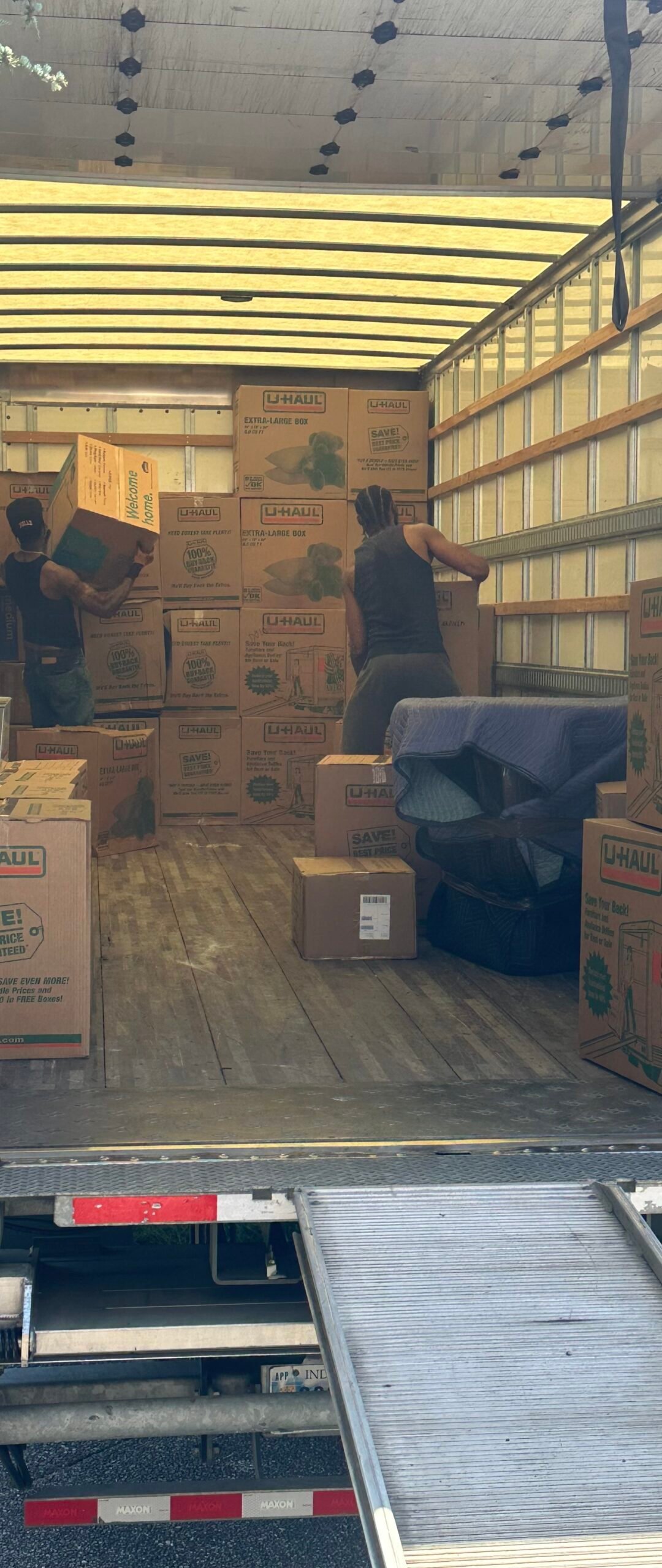
Check how full the unit actually is and record major furniture pieces. The advertised size of a storage unit does not reveal whether its contents are lightly packed or stacked tightly to the ceiling.
2. Confirm facility access
Record gate hours, entry requirements and who must be present. Share practical access instructions through the appropriate private channel so the crew can enter during the planned loading window.
3. Check elevators and corridors
Identify the route from the unit to the loading space. Mention upstairs units, narrow turns and carts provided by the facility because storage loading may involve more than opening one ground-floor door.
4. Inspect cartons before lifting
Look for moisture damage, split seams and crushed corners. Repack weak containers when necessary rather than relying on the fact that a carton survived while sitting undisturbed in storage.
5. Sort the destination first
Decide which contents belong at the home and which will remain elsewhere. Mark those groups clearly so the moving truck is not loaded with belongings still waiting for a destination decision.
6. Check furniture condition
Record visible issues before loading and disclose pieces with loose joints or damaged supports. Furniture that has been stored for a long period may need a careful condition review before handling.
7. Update old labels
Replace labels tied to a former address with room names for the new home. Preserve useful inventory numbers while making the delivery destination immediately understandable.
8. Plan unloading priority
Identify furniture and daily essentials needed first at the home. Tell the crew before loading so the delivery sequence can be considered rather than trying to retrieve a buried carton later.
9. Keep account documents personal
Retain the storage agreement, keys and account information under household control. Confirm checkout requirements with the facility independently of the moving crew.
10. Inspect the emptied unit
Sweep the unit, check high shelves and review the facility’s closure process. Moving the contents out does not necessarily end billing or complete the storage operator’s account requirements.
Share access information before the move
A Lebanon address is the starting point for planning, not a complete description of the route. Explain the loading position, distance to the door, steps, hallway turns and destination access. If a property manager, storage operator or other coordinator controls entry, confirm the arrangements with that person. Give the moving team a contact who will be reachable during the planned window.
Middle Tennessee moves may involve suburban houses, apartments, offices or storage facilities. Their access requirements can differ substantially. Do not assume a wide street means a truck can safely park where you want it, or that a building elevator is available without a reservation. Share changes promptly if a driveway, room or delivery window becomes unavailable.
Request an estimate with a useful scope
Send the inventory, pickup and delivery details, requested date and packing responsibilities together. Include photos when they clarify the size of furniture or an access problem. Ask which materials and handling tasks are part of the estimate and how an inventory change is addressed. Compare offers using the same information rather than comparing incomplete descriptions of different jobs.
Avoid treating a preliminary conversation as a confirmed booking. Ask what steps establish your move date and who should be contacted if the household’s timing changes. Keep the written estimate and messages associated with it. The goal is a clear agreement about the work, with the unanswered questions resolved before the crew arrives.
Make a carton inspection record before changing labels
Lebanon storage moving often begins with cartons packed for a different home and a different timetable. Work from the unit entrance in a planned sequence, without pulling a supporting box from beneath a stack. Ask for assistance if the arrangement is unstable or blocks safe access. Record the original carton number, visible condition, destination and next action before moving labels around. A photograph of the unopened stack can provide context, but it does not replace checking an individual container.
Use a simple decision list: ready for handling, needs ordinary repacking, needs an owner decision, or requires specialist assessment. A torn handle or opening seam may call for a sound replacement carton. Suspected contamination, leaking contents, pest activity or unexplained moisture calls for a different decision before routine loading. Do not hide a condition problem with fresh wrapping. The EPA guide to mold and moisture explains why controlling moisture matters. Ask the facility and an appropriate professional about uncertain damage; moving a box does not resolve its cause.
Keep new containers and clean packing materials outside questionable areas until you know how the contents will be handled. Tell the company what you observed before requesting Lebanon packing services. Photographs may help explain the situation, but nobody should diagnose hidden damage solely from a casual image. A preparation plan should distinguish ordinary carton replacement from work that requires other expertise.
Preserve the connection between old and new cartons
If carton S14 becomes two manageable boxes, label the replacements S14-A and S14-B and update the inventory immediately. Write a short, useful contents description without displaying private account information. Retain the original number in the record even when the destination room changes. This creates a traceable packing history and avoids a false discrepancy when a count increases after repacking.
| Original code | Observed condition | Action and destination |
|---|---|---|
| S14 | Split seam; contents reviewed | Replace as S14-A and S14-B; kitchen |
| S18 | Sound carton; old room label | Retain number; update to guest room |
| S22 | Condition uncertain | Hold for owner assessment; do not load |
Make destination choices before a loading sequence is agreed. A storage unit can contain belongings for your home, a relative, donation and continued storage. Mark each group in words, not colors alone. Keep a separate “stay” list that the person directing the move can reference. If there are multiple delivery addresses, discuss the order and scope beforehand rather than adding an extra stop while the truck is being loaded.

Turn facility access into a written handoff
- Record gate and building entry arrangements privately.
- Confirm the approved loading location and carrying route.
- Identify the person authorized to open the unit.
- Keep a current inventory showing items that stay.
- Complete the facility checkout process separately.
A Lebanon moving checklist should include the unit number, route to it, entry arrangements, approved loading location and who can authorize access. Share credentials privately with the appropriate people; do not write gate codes on publicly visible cartons. Verify whether a facility cart can leave a particular area and whether another customer may need the same lift. Tell Lebanon movers about a long indoor corridor even when the parking area looks close to the building.
Before departure, reconcile the load against the current inventory rather than the original box count alone. Include loose furniture and separately wrapped pieces. If an item is staying, note that decision so it is not later mistaken for something missing. Keep keys, account documents and any receipt for facility checkout with the person responsible for the account.
Ask the storage operator what notice, cleaning, lock removal and account steps apply to your agreement. Do not assume an empty unit automatically closes an account. Record the name or channel used for checkout and retain the operator’s acknowledgment when provided. These are questions for the facility, separate from the work assigned to Middle Tennessee packers.

Frequently asked questions
1. Is the storage unit size enough for an estimate?
No. Supply the actual furniture inventory, approximate carton count and access details. A lightly filled unit and a tightly stacked unit of the same size present different handling work. Disclose anything that cannot yet be inspected.
2. Should old carton labels be removed?
Keep useful identification numbers, but make the current destination unambiguous. Cross out an obsolete room or address without destroying the connection to your inventory. Record replacement carton numbers before discarding a damaged box.
3. Can a weak carton simply be taped again?
Do not assume extra tape restores a damaged container. Have its condition and contents assessed and use a suitable replacement when needed. Avoid lifting by a torn handhold or shifting a stack that looks unstable.
4. What should I do about damp or suspicious cartons?
Pause ordinary packing and tell the facility and moving company what you observed. Seek appropriate assessment for possible contamination or damage. Do not conceal the condition or mix uncertain contents with clean household cartons.
5. How should I separate two delivery destinations?
Use a written destination name and item code on each package, plus an inventory grouped by address. Discuss the delivery sequence and any change in scope before loading. Color labels can supplement the words.
6. Who should hold the storage keys?
Assign a named person who can provide authorized access and complete checkout. Keep a way to reach that person throughout the move. Do not pack the only key or account documents into the shipment.
7. What photographs help with planning?
Show the unit’s overall arrangement, larger furniture, access route and any visible concerns. Avoid including private documents or access credentials. Photos help explain scope, but cannot establish the condition of concealed contents.
8. When should cartons be counted?
Count after inspection and repacking, then reconcile during loading and delivery. Note split cartons and items intentionally left behind. A changed count can be correct when the inventory explains exactly what changed.
9. Does moving everything out close my account?
Ask the storage operator. Your agreement may require additional checkout steps or notice. Keep the facility’s response and any acknowledgment; the moving crew should not be assumed to manage the storage account.
10. How can I discuss this storage move?
Contact Nashville Packers and Movers with the inventory, requested date, facility arrangements and delivery details. Identify any unresolved condition concerns and ask which packing responsibilities need confirmation.
Plan your next step
Use this checklist to turn inventory and access for storage delivery into a practical conversation. Gather the information, finish the tasks that belong to the household and make the unresolved questions visible before requesting a quote. Visit Nashville Packers and Movers or call (615) 710-9990 to discuss your move in Lebanon.
Related Middle Tennessee moving resources
See our packing preparation guide and contact Nashville Packers and Movers to discuss your inventory and moving date.
