

Expert Tips for a Smooth Move in Nashville TN
Plan your move with Nashville Packers and Movers: call (615) 710-9990 for a written estimate.
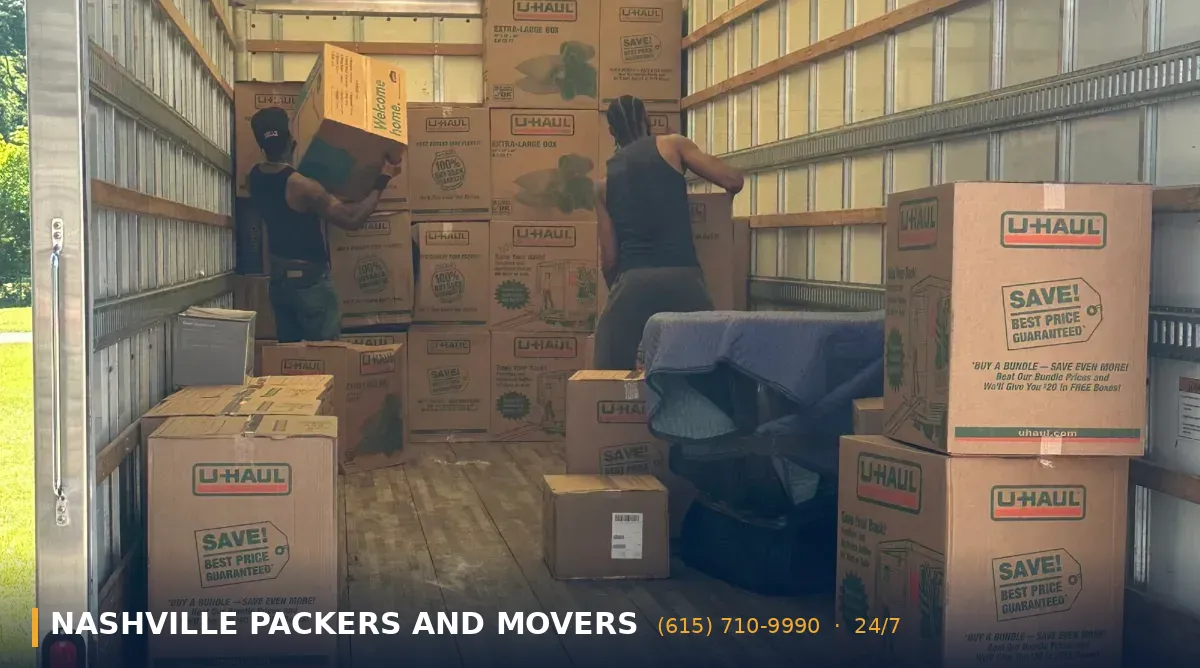
Expert tips for a smooth move in Nashville TN can help homeowners, apartment residents, families, seniors, and businesses prepare for relocation with greater confidence. Moving involves more than placing belongings inside boxes and loading them onto a truck. It requires careful scheduling, quality packing materials, clear communication, dependable transportation, and a realistic plan for moving day.
Nashville moves may also involve heavy traffic, apartment elevators, downtown parking restrictions, narrow entrances, stairs, construction, and unpredictable weather. Preparing for these conditions before the moving crew arrives can reduce delays, prevent damage, control costs, and create a much smoother moving experience.
Whether you are moving across Nashville, relocating elsewhere in Tennessee, or beginning a long-distance move, the following expert recommendations will help you stay organized from the first box packed to the final item unloaded.
Moving Process / Job Market / Moving Costs
Will my movers disassemble and reassemble my furniture? Yes, professional movers will typically disassemble and reassemble furniture as part of the moving process. However, there are certain items that movers may not be able to disassemble. Confirm which furniture the crew will disassemble and reassemble before moving day.
Understand the Local Job Market and Cost of Living.
Donate, sell, or toss. Ask yourself if each item serves a purpose or brings joy. Less clutter means fewer things to pack, which translates to lower moving costs and less hassle when unpacking in your new home in Nashville. Plus, hosting a yard sale or selling items online can add a little extra cash to your moving budget.
1. Begin Planning as Early as Possible
Start organizing your Nashville move several weeks before the scheduled date. Create a written moving checklist that includes hiring movers, gathering supplies, packing rooms, transferring utilities, updating your address, and preparing essential documents.
An early start gives you more time to compare moving companies, choose a convenient date, and solve unexpected problems. It also prevents the rushed packing that often leads to damaged belongings, missing items, and unnecessary stress.
2. Create a Realistic Moving Budget
Your moving budget should account for more than transportation. Consider professional labor, packing materials, specialty-item handling, storage, deposits, cleaning, utility transfers, travel expenses, and possible building fees.
Ask the moving company to explain which services are included in the estimate. Local moves typically cost less than long-distance moves, and a flat-rate written estimate from your moving company shows what your own move will cost. Labor-only moving help is another option, which can help you save money by choosing only the help you need. Understanding the full cost before moving day can help you avoid surprises and make informed decisions about optional services.
3. Choose a Reliable Nashville Moving Company
Plan your move with Nashville Packers and Movers: call (615) 710-9990 for a written estimate.
Research the right moving company before making a decision, and check online reviews and ratings as part of that process. Look for clear communication, detailed estimates, suitable equipment, recent customer feedback, and experience with your type of move. This expert advice can help you hire professionals with more confidence.
Also verify that the mover is licensed for your type of move.
A reliable moving company should ask questions about your inventory, property access, stairs, elevators, heavy items, and destination. Be cautious of unusually low prices, unclear payment terms, large cash deposits, or estimates that fail to explain what is included.
4. Request a Detailed Written Estimate
Provide an accurate inventory and request an accurate estimate describing the planned services. Include furniture, appliances, boxes, garage contents, outdoor belongings, storage items, and anything requiring special handling.
Tell the mover about long walking distances, limited parking, multiple flights of stairs, narrow hallways, or elevator requirements, and make sure the estimate clearly covers crew size, truck count, and expected timing. Accurate information helps the company assign the proper crew, truck, equipment, and estimated time.
5. Declutter Before Packing
Moving is an excellent opportunity to eliminate items you no longer need. Sort your belongings into four categories: keep, donate, sell, and discard.
Removing unnecessary possessions reduces the number of boxes, saves packing time, creates more truck space, and makes your new home easier to organize. Avoid paying to transport damaged furniture, unused clothing, expired products, or items you plan to replace.
6. Use Professional Packing Supplies
Strong boxes and protective materials are essential for a safe move. Gather small, medium, and large moving boxes, packing paper, bubble wrap, heavy-duty tape, mattress bags, furniture blankets, stretch wrap, labels, and markers.
Pack heavy belongings in smaller boxes and reserve larger boxes for lightweight items. Reinforce box bottoms with tape and fill empty spaces with packing paper so belongings cannot shift during transportation.
7. Pack One Room at a Time
Packing one room at a time keeps the process manageable and prevents belongings from becoming mixed together. Complete one area before starting another whenever possible.
Label every box with its destination room and a short description of the contents. You can also use color-coded labels—for example, blue for bedrooms, orange for the kitchen, and green for the living room—to help movers place boxes correctly.
8. Protect Fragile and Valuable Items
Wrap glasses, plates, decorations, electronics, artwork, mirrors, and other fragile possessions individually. Use clean packing paper, bubble wrap, foam, or specialty cartons when necessary.
Mark boxes containing breakable items with “FRAGILE” and “THIS SIDE UP.” Keep identification, medication, financial records, jewelry, sentimental possessions, and other irreplaceable items with you instead of loading them onto the moving truck.
9. Prepare Furniture Before Moving Day
Empty drawers and cabinets unless the moving company approves leaving certain lightweight contents inside. Remove adjustable shelves, secure doors, and place small hardware in labeled bags.
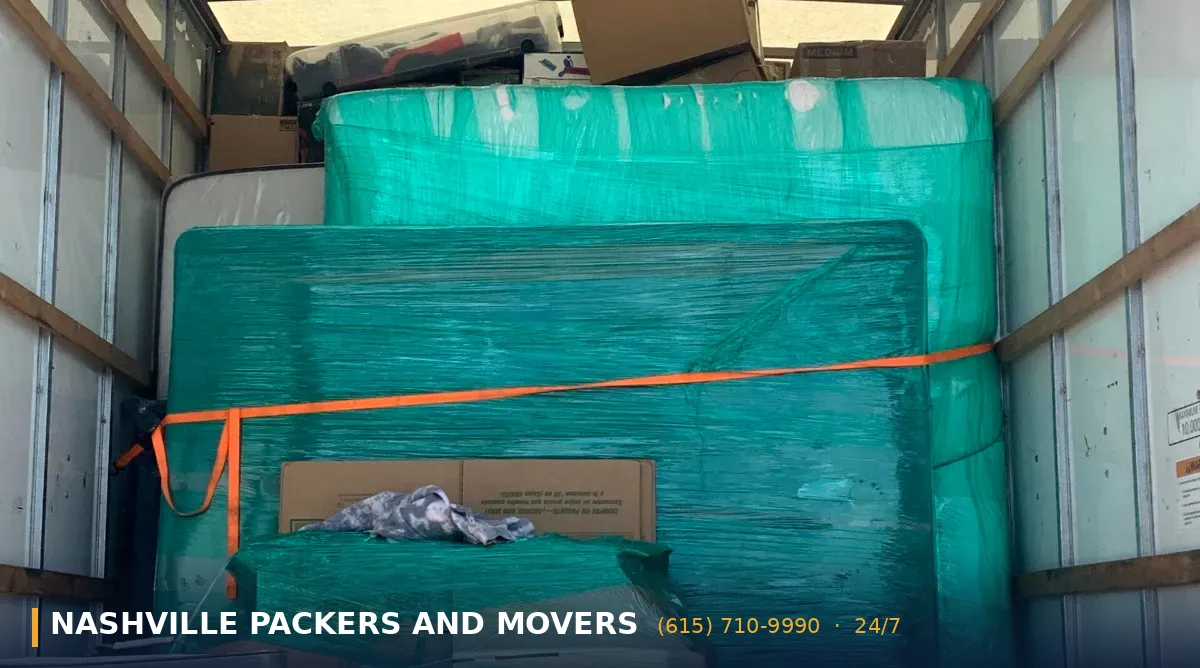
Photograph complicated furniture before disassembly to make reassembly easier. Protect wood, glass, leather, and upholstered pieces with suitable materials. Professional movers can apply furniture blankets, stretch wrap, straps, and corner protectors when needed.
10. Measure Doorways and Large Furniture
Plan your move with Nashville Packers and Movers: call (615) 710-9990 for a written estimate.
Measure large furniture, doors, hallways, staircases, elevators, and entryways before moving day. Confirm that sofas, dressers, tables, mattresses, and appliances can pass through safely.
If an item must be disassembled, identify the required tools in advance. Good measurements can prevent delays, property damage, and last-minute decisions at the door.
11. Reserve Elevators and Parking
Apartment buildings, condominiums, office properties, and downtown Nashville locations may require elevator reservations, loading-dock appointments, parking arrangements, or proof of scheduled service.
Contact property management in advance and ask about moving hours, access codes, elevator protection, certificates, parking rules, and building fees. Reserve the necessary access window early so the moving crew can begin work without delays.
12. Prepare for Nashville Traffic
Traffic can affect travel time throughout Nashville, particularly during weekday rush hours, major events, road construction, and downtown activity.
Discuss the route and expected schedule with your movers. When possible, avoid the busiest travel periods and provide accurate pickup and delivery addresses. Leave enough flexibility in your schedule for normal traffic delays.
13. Watch the Weather Forecast
Tennessee weather can change quickly. Monitor the forecast as moving day approaches and prepare for Nashville’s high humidity and hot summers, along with rain, cold, storms, and winter’s occasional snow or ice.
Keep towels, floor protection, drinking water, and weather-appropriate clothing available. Boxes should remain sealed and protected from moisture. Professional floor runners can help reduce dirt, water, and damage inside both properties.
14. Pack a First-Night Essentials Box
Prepare a clearly marked box or bag containing everything you will need immediately after arriving. Include toiletries, medication, chargers, towels, bedding, a change of clothes, basic kitchen supplies, important paperwork, pet supplies, and simple tools.
Transport this essentials container separately or load it last so it can be accessed first. This prevents you from opening multiple boxes after an exhausting moving day.
15. Handle Utilities and Address Changes Early
Schedule electricity, water, gas, internet, and other essential services before arriving at your new property. Confirm that utilities will be active when you move in.
Update your address with banks, employers, insurance providers, subscription services, medical offices, schools, government agencies, and delivery companies. Tennessee requires new residents to transfer vehicle title and vehicle registration within 30 days. Forwarding your mail can help prevent important documents from being sent to your former address.
16. Prepare Children and Pets
Moving day can be stressful and unsafe for children and animals. Arrange for them to remain with a trusted relative, friend, sitter, or daycare provider if possible.
If they must remain at the property, prepare a safe room away from entrances, equipment, and heavy furniture. Keep food, water, medication, toys, carriers, leashes, and comfort items nearby.
17. Take Photographs Before Loading
Photograph valuable belongings, electronics, furniture, and the condition of both properties before the move. Pictures provide a useful record and can help with reassembly.
Take a photograph of the back of televisions, computers, and entertainment systems before disconnecting cables. Labeling cords and storing them in separate bags will make setup easier.
18. Keep Important Information Accessible
Save the moving company’s contact information, estimate, service agreement, addresses, parking instructions, access codes, and building contact details on your phone and in a printed folder.
Do not pack documents that you may need during the move. Keeping everything accessible allows you to answer questions quickly and prevents unnecessary interruptions.
19. Complete a Final Walkthrough
Before leaving your former property, check every closet, cabinet, drawer, shelf, attic, garage, storage area, patio, and outdoor space.
Confirm that windows and doors are secured, utilities are handled correctly, and nothing has been left behind. At the destination, direct movers to the correct rooms and inspect large belongings as they are unloaded.
20. Communicate Clearly With Your Moving Crew
Clear communication is one of the most important ingredients in a smooth Nashville move. Identify fragile items, explain access concerns, confirm the unloading plan, and tell the crew which boxes you will transport personally.
Remain available to answer questions without blocking walkways or interrupting the workflow. Good communication helps professional movers work safely, efficiently, and according to your priorities.
Why Professional Planning Matters
A successful Nashville move depends on preparation, organization, and dependable support. Last-minute packing, weak boxes, inaccurate inventories, and unclear access instructions can create preventable delays. A professional plan gives every person involved a clear understanding of the schedule, responsibilities, property conditions, and special handling requirements.
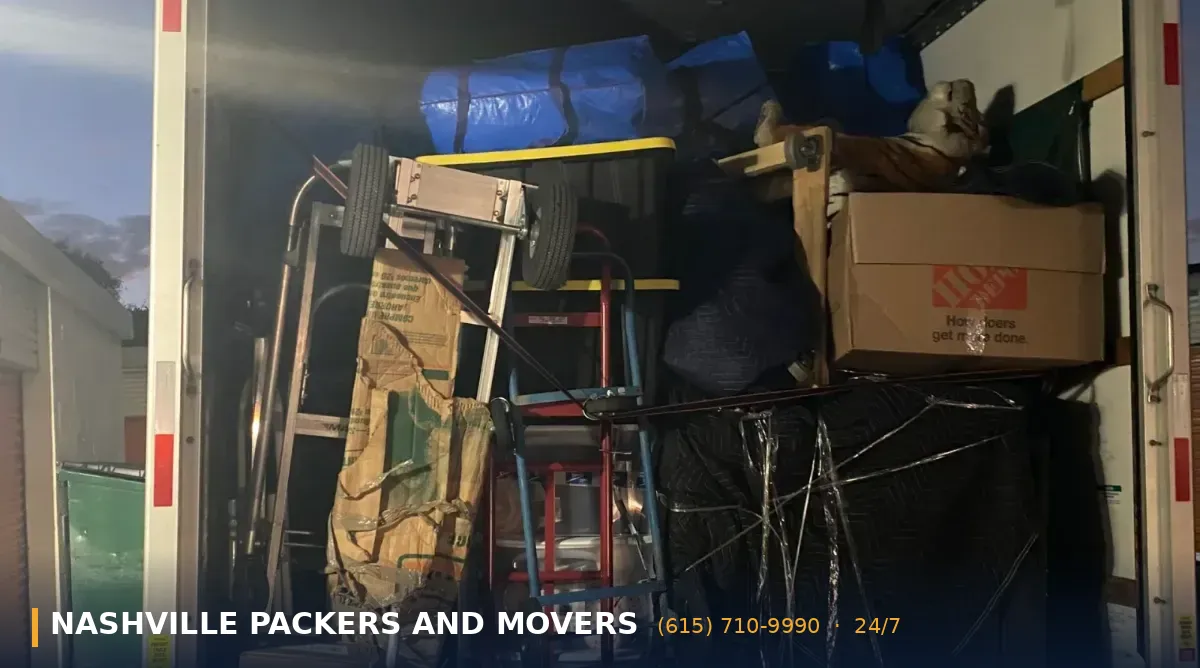
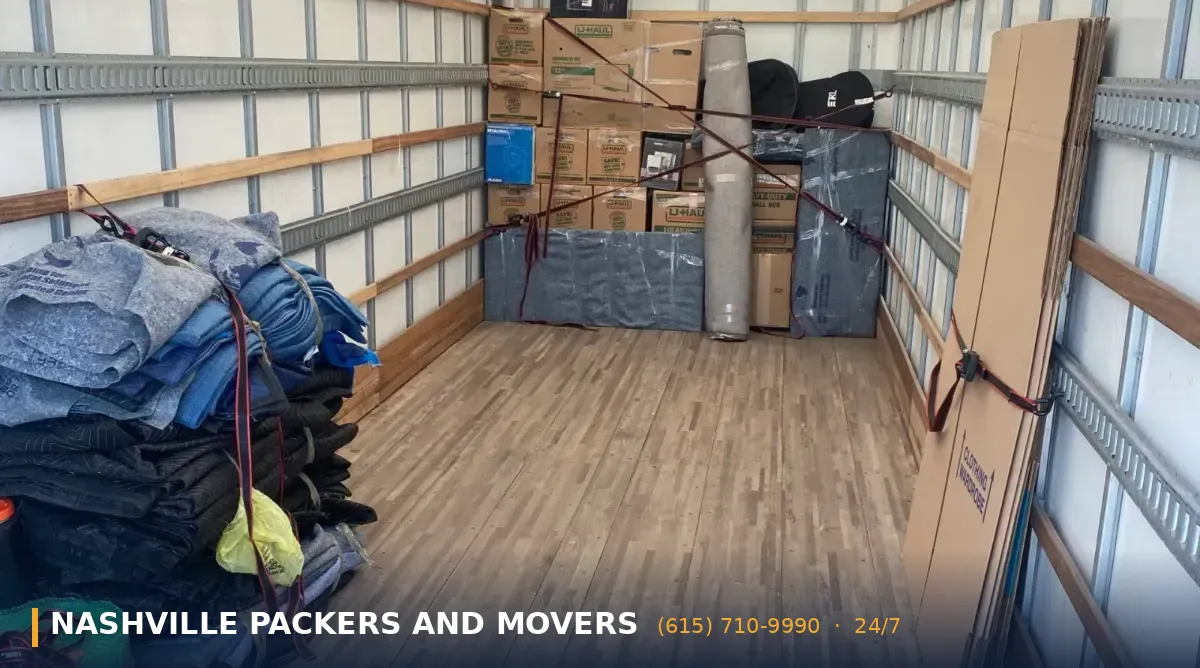
Experienced movers can also help protect floors, doorways, furniture, appliances, and fragile belongings. They use moving blankets, dollies, straps, ramps, and proper lifting methods to reduce the risk of damage or injury. This support is particularly valuable for apartments, offices, long-distance relocations, senior moves, and homes containing oversized or delicate possessions. Professionals can also handle the heavy lifting more safely and efficiently, especially when access is tight or items are unusually large.
Moving-Day Checklist
Plan your move with Nashville Packers and Movers: call (615) 710-9990 for a written estimate.
Before the moving crew arrives:
- Finish packing and sealing standard boxes.
- Label boxes by room and contents.
- Separate valuables and personal documents.
- Clear hallways, stairs, and entrances.
- Reserve elevators and loading areas.
- Secure children and pets.
- Remove prohibited or hazardous materials.
- Confirm both addresses and access instructions.
- Keep your phone fully charged.
- Complete a final walkthrough before departure.
Frequently Asked Questions
How early should I schedule movers in Nashville?
Booking several weeks ahead is a smart approach, especially for weekends, month-end dates, summer moves, and other high-demand periods. Additional notice may be necessary for large or long-distance relocations.
How can I make my Nashville move faster?
Finish packing before the crew arrives, label every box, disassemble approved furniture, clear pathways, reserve building access, and provide an accurate inventory. These steps help reduce unnecessary delays.
What should I keep with me during the move?
Keep identification, medication, keys, financial documents, jewelry, irreplaceable belongings, chargers, basic toiletries, and your first-night essentials with you.
Should I empty furniture drawers?
Heavy, fragile, valuable, and loose contents should generally be removed. Ask your moving company whether lightweight clothing can remain inside specific pieces of furniture.
What packing supplies should I use?
Use sturdy moving boxes, professional packing tape, packing paper, bubble wrap, mattress bags, furniture blankets, stretch wrap, labels, and specialty cartons for fragile items.
How do I prepare for a downtown Nashville move?
Confirm parking, loading-zone availability, elevator reservations, building rules, access codes, permitted moving hours, and possible street or event-related delays before moving day. In areas such as The Gulch and nearby downtown condos, you may get walkability and nightlife options but also tighter access and stricter building rules.
What should I ask a moving company before booking?
Ask about included services, estimated pricing, scheduling, payment terms, protection options, packing assistance, specialty items, equipment, and potential additional charges.
Expert Tips for a Smooth Move in Nashville: The Night Before
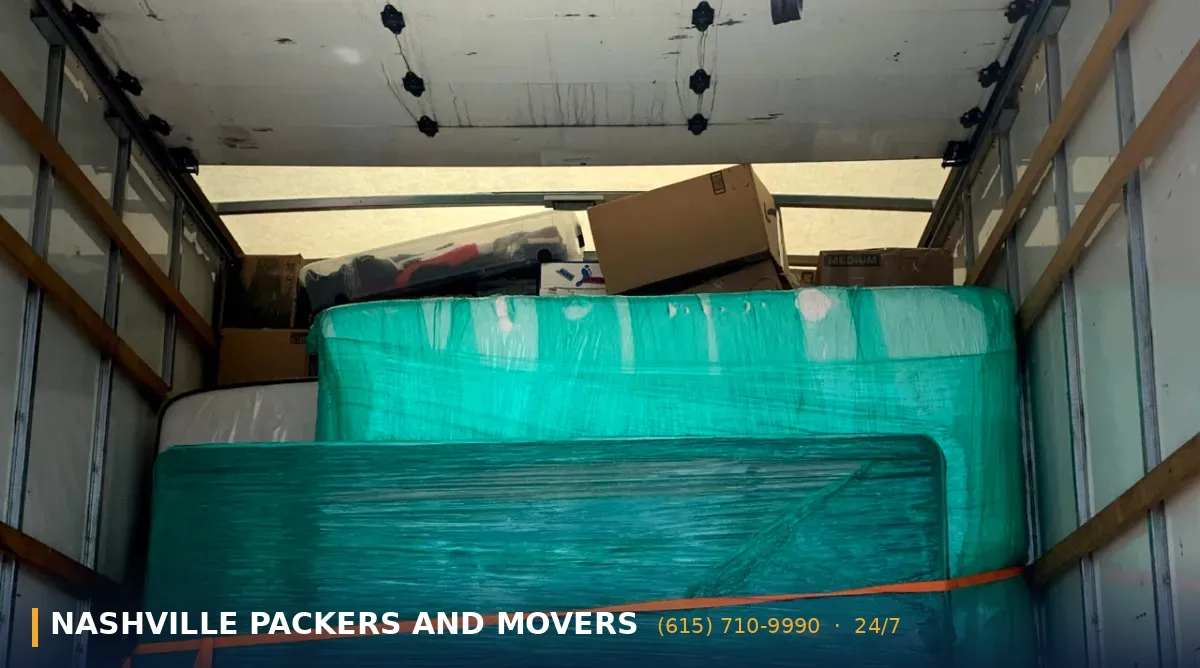
Confirm the arrival window, charge your phone, and set aside your essentials box. Keep a curbside spot clear for a 26-foot box truck. Our Nashville moving checklist covers the full timeline.
More Smooth Move Questions
Which expert tips for a smooth move in Nashville matter most on short notice?
Reserve parking and elevators first, then pack essentials. Our professional movers also take after-hours and emergency moves, 24 hours a day, 7 days a week.
Do you handle out-of-state moves?
Yes, through our long-distance movers.
How is my Nashville move priced?
With a flat-rate written estimate from our moving company before moving day.
Request Your Middle Tennessee Moving Estimate
Planning a move to Nashville? Start with an accurate inventory, a dependable schedule, and a professional moving plan. Request a detailed moving estimate and discuss your packing, loading, transportation, and delivery needs before moving day. The right preparation can help protect your belongings and create a safer, faster, and more organized relocation. Keep the process practical, but remember it can also be an exciting adventure and a chance to start fresh.
Explore Middle Tennessee Moving Services
Plan your move with Nashville Packers and Movers: call (615) 710-9990 for a written estimate.
Nashville Packers and Movers Nashville Services
- Nashville moving services
- Local movers in Nashville
- Long-distance movers
- Apartment moving services
- Residential movers
- Commercial movers
- Packing and unpacking services
- Furniture moving services
- Nashville packing supplies
- Request a moving quote
Understanding Local and Long-Distance Moves
Nashville, TN, is a thriving city with a vibrant culture, making it a popular place for both local and long-distance movers. When preparing for a move, it’s essential to understand the differences between these types of relocations. Nashville has distinct neighborhoods with unique vibes, and those differences can shape your commute, housing options, and daily lifestyle.
Sylvan Park and West End sit close to Midtown, Oak Hill and Forest Hills are quieter residential areas, and Green Hills or Brentwood are popular with families. If you’re new to the area, consider renting for 6–12 months before buying, and visit neighborhoods at different times of day before committing. Local moves typically involve distances under 50 miles, while long-distance moves cover greater distances, often requiring careful planning and logistics.
Choosing Professional Movers
Hiring professional movers for your Nashville move can save you time and reduce stress. Working with vetted movers and using local recommendations can make the process more dependable. Nashville packers and movers specialize in providing comprehensive services that include packing, loading, transportation, and unloading. They possess the necessary equipment and experience to handle your belongings safely, ensuring everything arrives at your new home without a hitch. Once the move is complete, building a social network through local events and live music can help newcomers settle in.
Essential Tips for a Successful Move
Preparing for a move can be overwhelming, but by following some essential tips, you can make the process more manageable. Start early by decluttering your home and organizing your belongings. Create a moving checklist to keep you on track, and don’t hesitate to ask for expert advice when comparing services and deciding between a rental truck, labor-only help, or full-service movers, depending on how much you want to save money and how much help you need. Additionally, be sure to communicate any special requirements or concerns, ensuring your transition to your new Nashville home is seamless.
Before you hire anyone in Nashville, confirm the company is licensed and insured. You can verify any mover’s USDOT number and complaint history free through the FMCSA Protect Your Move database, and check moving-fraud guidance from the Federal Motor Carrier Safety Administration. Nashville Packers and Movers is a family-owned, flat-rate mover available 24 hours a day, 7 days a week — call (615) 710-9990 for a written quote.
Want a smoother move? Book our local movers in Nashville, add our professional packing services, or let our full-service movers handle every step.